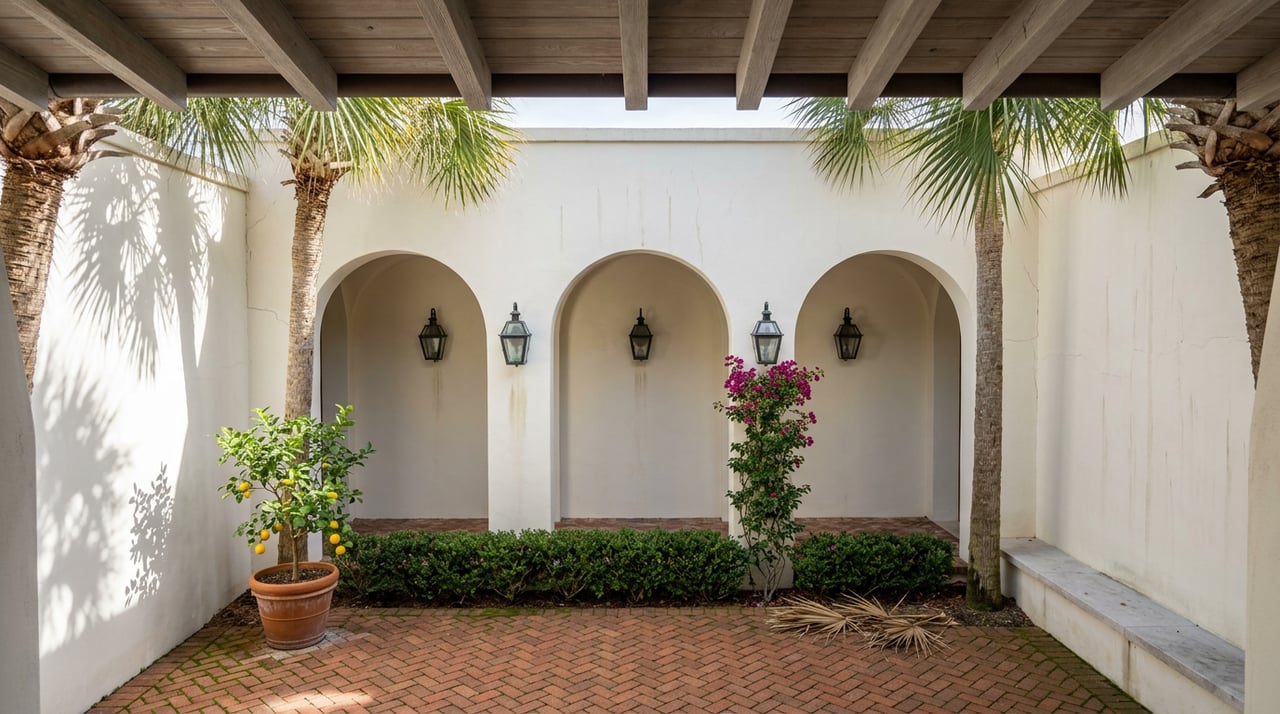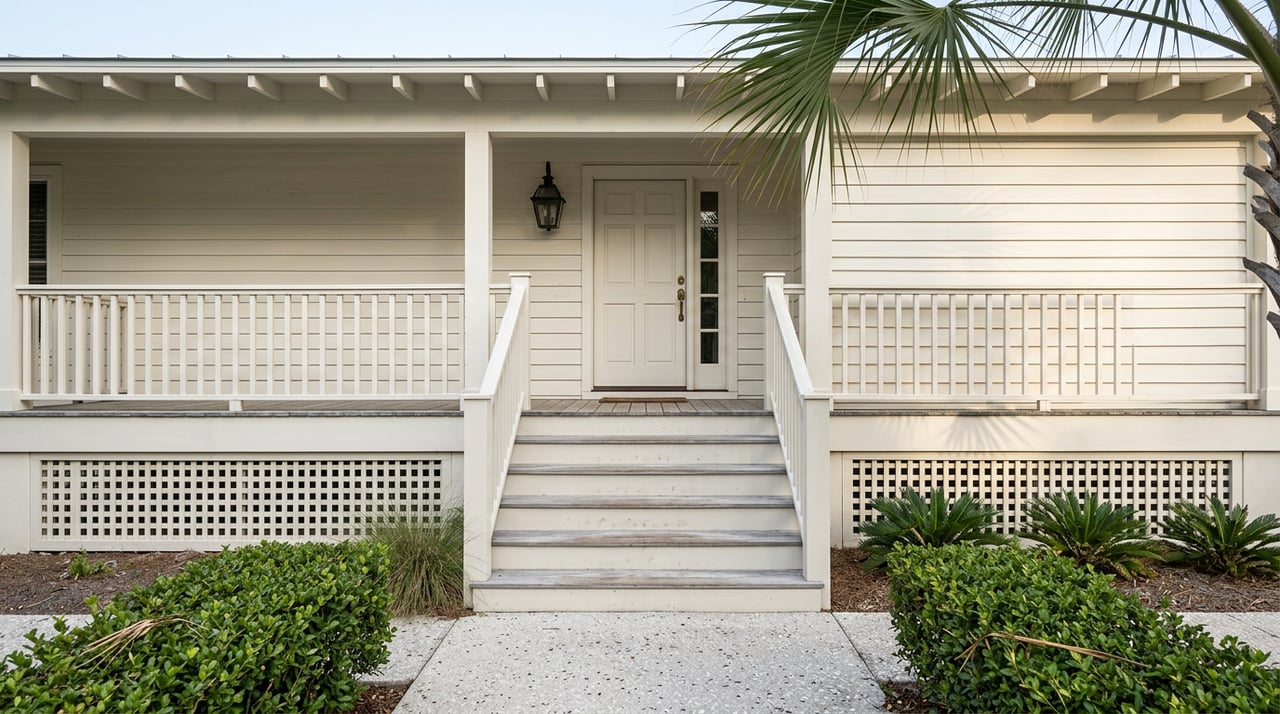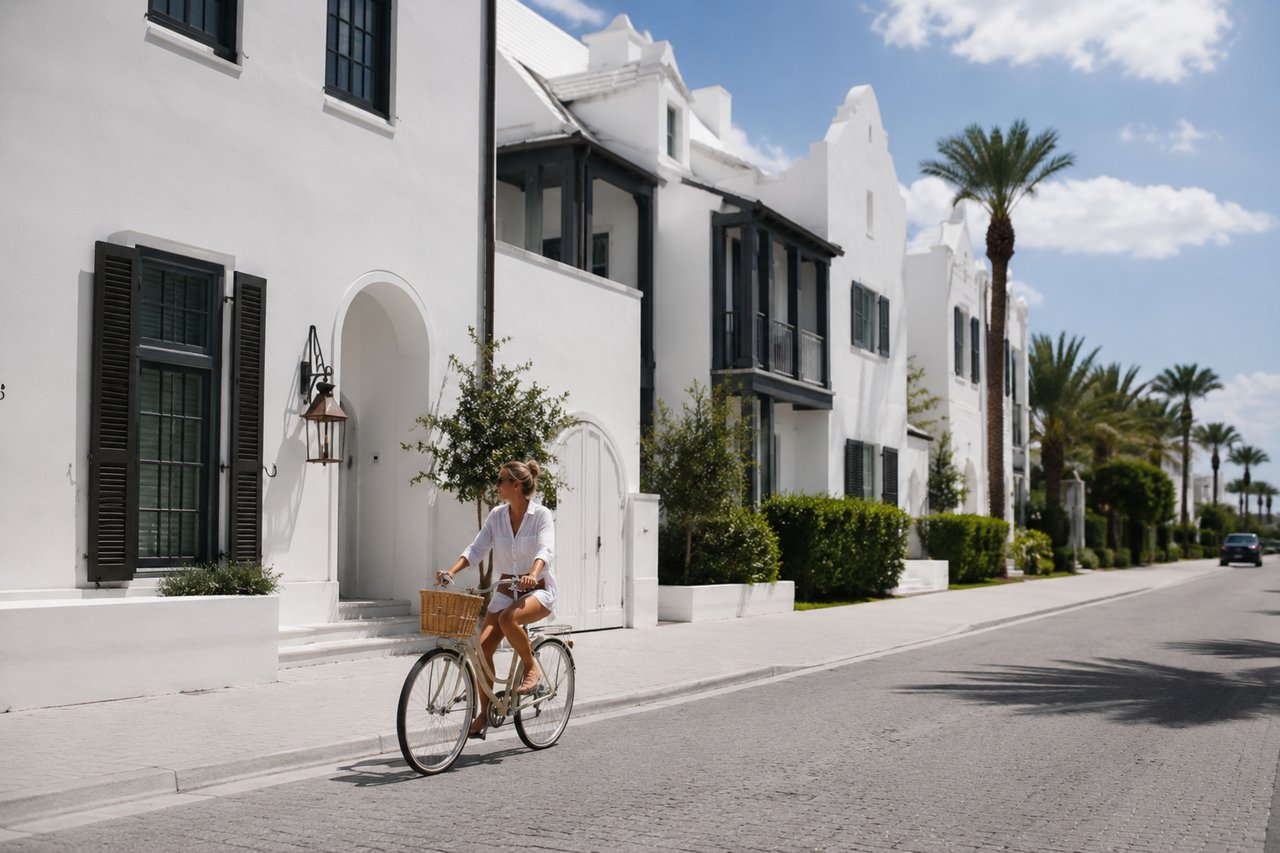
There is a stretch of coast in South Walton where luxury has always been measured differently. Not only by square footage, architectural pedigree, Gulf views, or the ability to walk from morning coffee to an evening reservation under string lights—but by ease. By rhythm. By how effortlessly a place allows life to unfold.
That is the quiet magic of 30A.
It is why buyers from Atlanta, Dallas, Nashville, Chicago, Birmingham, New Orleans, and beyond continue to gravitate toward this 24-mile corridor of coastal communities. They are not just buying homes. They are buying the ability to park the car, get on a bike, walk to the beach, move through a village, take the kids to dinner, and feel like the best parts of life are finally within reach.
But as 30A has matured from a beloved regional beach escape into one of the Southeast’s most coveted luxury markets, the conversation has changed. The private side of the market has already arrived: world-class architecture, legacy Gulf-front estates, curated communities, private clubs, boutique restaurants, wellness-forward developments, and record-setting real estate transactions.
Now, the public side is catching up.
Across Walton County, infrastructure has become one of the most important stories shaping the future of 30A. Not in a loud or glamorous way. There is no single skyline-defining project or massive urban reinvention. Instead, the work is happening through resurfaced corridors, reconstructed multi-use paths, drainage upgrades, pedestrian planning, roadway maintenance, intersection improvements, and long-term capital planning.
And for a luxury market built around lifestyle, that matters.
Walton County’s current public works updates show several active projects directly tied to the 30A experience. County Road 395 South, one of the key north-south connectors between U.S. Highway 98 and County Highway 30A, is undergoing resurfacing work that includes overlay operations and pavement striping, with intermittent shoulder and lane closures expected during construction.
For locals, owners, guests, vendors, and service providers, CR 395 is more than a road. It is one of the main access points into Seagrove and the central 30A corridor. When that connector functions better, the entire experience becomes more fluid. Movement between Highway 98 and the beach communities becomes easier. Daily life becomes less frictional. And in a market where convenience is part of the value proposition, that kind of improvement is not background noise—it is part of the asset story.
Then there is the multi-use path.
Walton County has also identified the CR 30A multi-use path reconstruction from CR 395 to Somerset Bridge in Seagrove as an active project, including installation of a new shared-use path, drainage, and shoulder improvements. The county notes that the CR 395 to South Andalusia portion has been completed and that work remains within established right-of-way limits.
On paper, that sounds like a transportation project. On 30A, it is more than that.
The bike path is one of the defining pieces of 30A’s identity. It is the thread that ties together Seaside, WaterColor, Grayton Beach, Seagrove, Alys Beach, Rosemary Beach, Inlet Beach, and the spaces in between. It is how families move. It is how renters experience the area. It is how owners live here without feeling bound to their cars. It is part of what separates 30A from more conventional beach destinations.
A better path means better livability. Better safety. Better guest experience. Better daily rhythm.
And in real estate, daily rhythm matters.
The county’s infrastructure work also extends into the less visible but essential systems that keep a coastal market functioning: drainage, shoulders, aprons, roadway maintenance, and safety improvements. Walton County’s public works updates reference apron work within the CR 30A right-of-way near Live Oak, Nightcap, Holly, and North Dothan Avenue, noting that these improvements are part of broader efforts to enhance roadway safety, improve drainage, and support long-term infrastructure maintenance along the corridor.
That may not sound as seductive as a Gulf-front courtyard pool or a white masonry home in Alys Beach, but serious owners understand the importance of it. Drainage matters. Roadway edges matter. Safe pedestrian movement matters. Shoulder conditions matter. The long-term durability of a coastal luxury market depends not only on what is built behind the gates, but on how well the public realm holds up under demand.
And demand is exactly the point.
30A is no longer a quiet secret. It is a national luxury destination with a seasonal population surge, a growing full-time resident base, and an increasingly sophisticated second-home and investment market. That growth brings energy, capital, and opportunity—but it also brings pressure. Roads feel it. Beach accesses feel it. Parking feels it. Bike paths feel it. Stormwater systems feel it.
The communities that win long-term are the ones that preserve their charm while modernizing their systems.
That is why Walton County’s broader capital planning deserves attention. The county’s FY 2026–2030 work plan includes a County-Wide Master Pedestrian Plan, with design funded at $1,000,000, along with planned CR 30A sidewalk improvements from Ventana Boulevard to Blue Gulf Drive, CR 30A and CR 393 intersection signalization improvements, and a signalized intersection planned for CR 30A and South Watersound Parkway.
Those are not isolated line items. They point to a larger reality: South Walton is being forced to think like a mature destination.
The same work plan also includes county-wide pavement management funding over multiple years, pedestrian path funding tied to the Multi-Use Master Plan, and a Safe Streets for All Safety Action Plan and Crosswalk Demonstration Project with a noted total grant award of more than $1.1 million.
For buyers and sellers, this is where the infrastructure conversation becomes a real estate conversation.
A luxury buyer may fall in love with architecture, finishes, Gulf proximity, or community design. But they live the infrastructure every day. They notice how quickly they can get from 98 to the house. They notice whether their children can safely bike to the beach. They notice whether guests understand where to go, where to park, how to access the sand, and how easily the area moves during peak season.
An investor notices something slightly different, but equally important. The guest experience now drives performance. Reviews, repeat bookings, rental premiums, and occupancy are shaped not only by the property itself, but by the ease surrounding it. Beautiful homes are powerful. Beautiful homes in functional locations are stronger.
That is the next chapter of 30A.
The market is no longer defined only by discovery. It is defined by preservation, refinement, and operational sophistication. The corridor has already proven its desirability. The next challenge is making sure the public systems mature alongside the private investment.
This is especially important because 30A’s value has always been rooted in a rare blend: natural beauty, architectural intention, village planning, beach access, and human-scale movement. The danger for any high-demand coastal destination is that success can begin to erode the very qualities that made it valuable. Too much congestion, too little connectivity, poor drainage, unsafe crossings, and overstressed roads can slowly chip away at the lifestyle premium.
But thoughtful infrastructure does the opposite.
It protects the premium.
It helps preserve the walkable village feeling. It supports safer biking and pedestrian movement. It improves the daily experience for residents and guests. It strengthens the rental ecosystem. It gives luxury buyers more confidence in the long-term trajectory of the area.
And perhaps most importantly, it signals that 30A is entering a more sophisticated phase of growth.
The old version of the conversation was simple: everyone wants to be here.
The new version is more important: how does 30A remain exceptional now that everyone wants to be here?
That answer will not come from one project alone. It will come from dozens of decisions made over time—road by road, path by path, intersection by intersection, access point by access point. It will come from balancing growth with restraint, convenience with character, and mobility with the quiet sense of place that has made 30A one of the most desirable coastal markets in America.
For property owners, that means infrastructure is no longer a side note. It is part of the value story.
For buyers, it should be part of the due diligence.
For investors, it is part of the performance thesis.
And for 30A, it may be the defining question of the next decade.
Because the future of this market will not be shaped only by the next record sale, the next architectural statement, or the next luxury development. It will be shaped by whether the corridor can continue to deliver what made it famous in the first place: beauty, ease, connection, and a way of life that feels increasingly rare.
The beach will always be the draw.
But infrastructure may be what protects the dream.