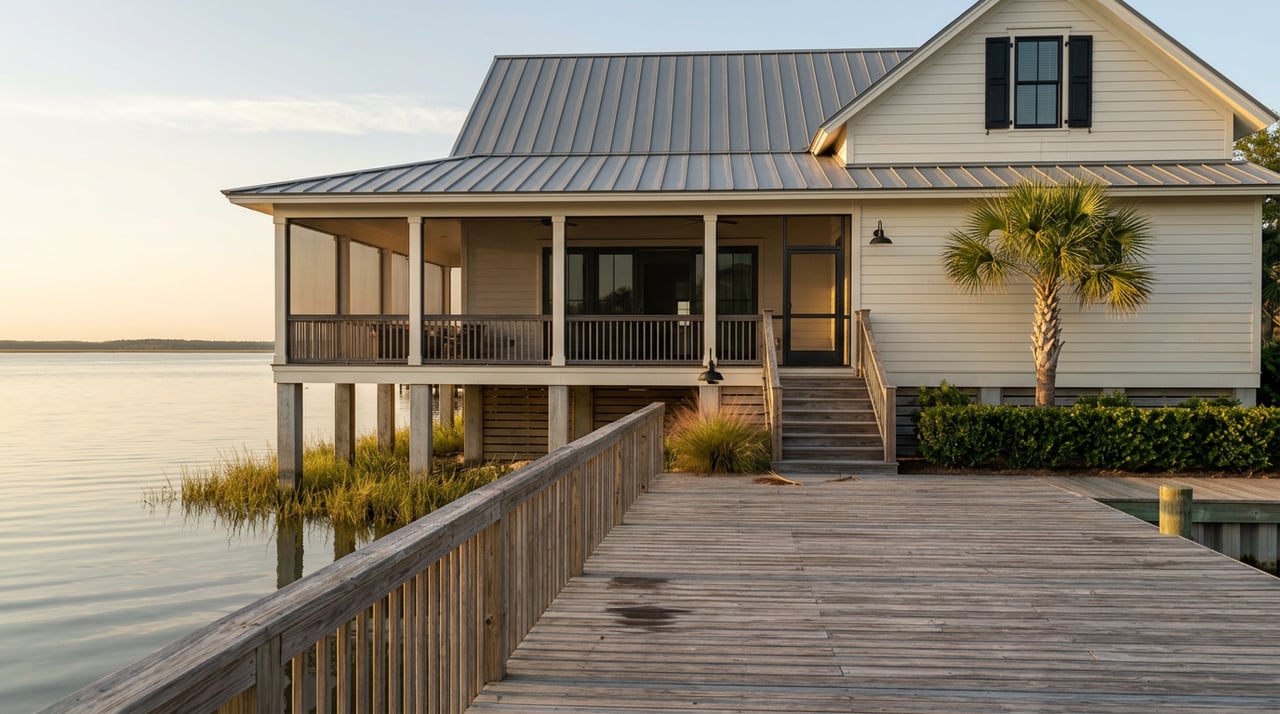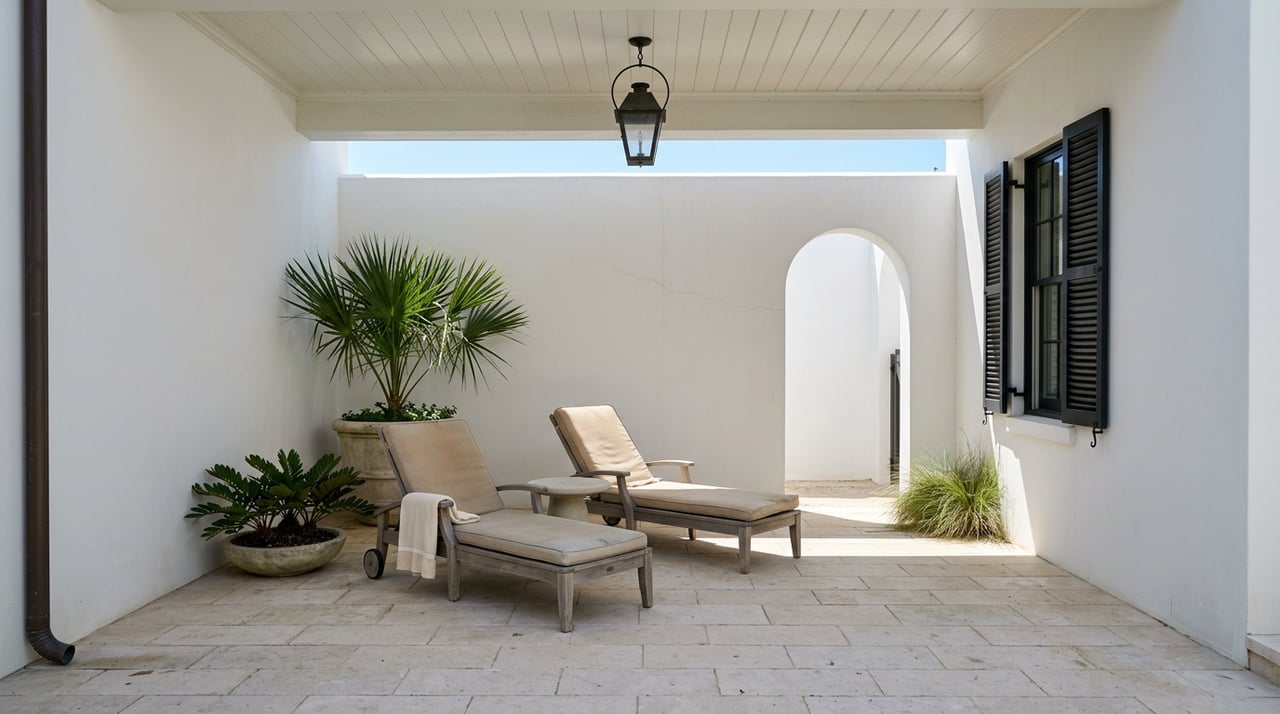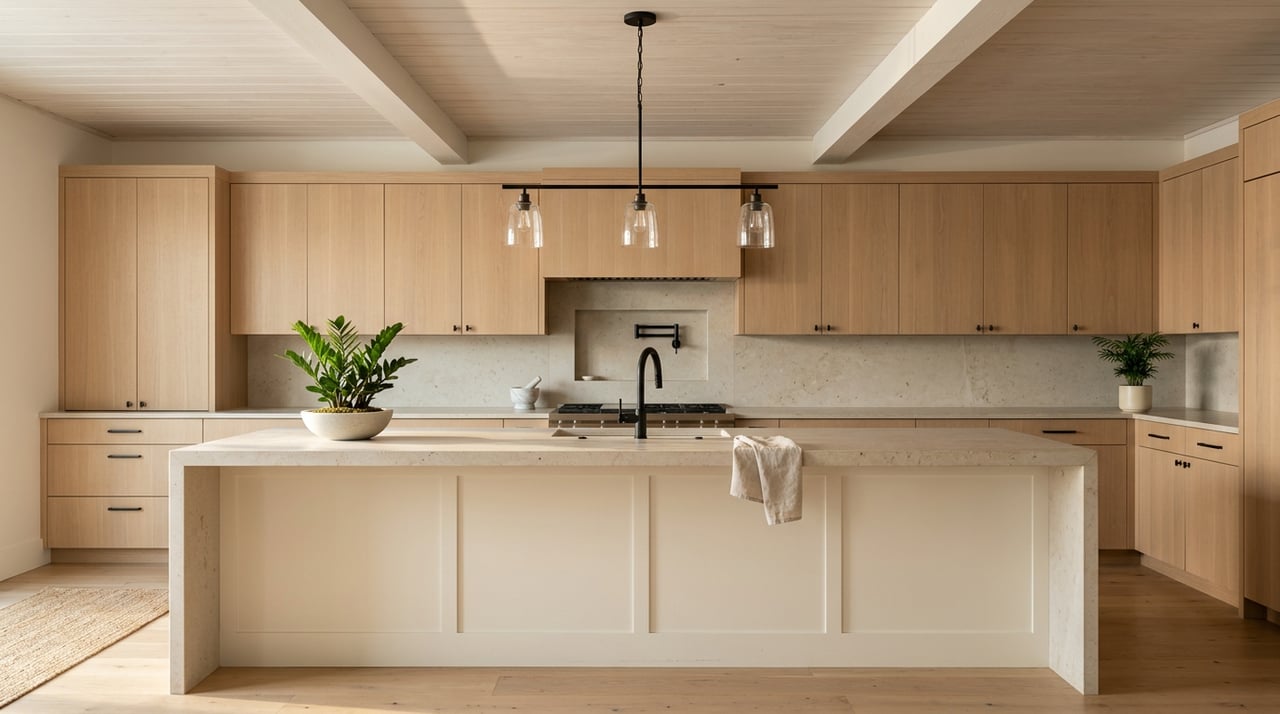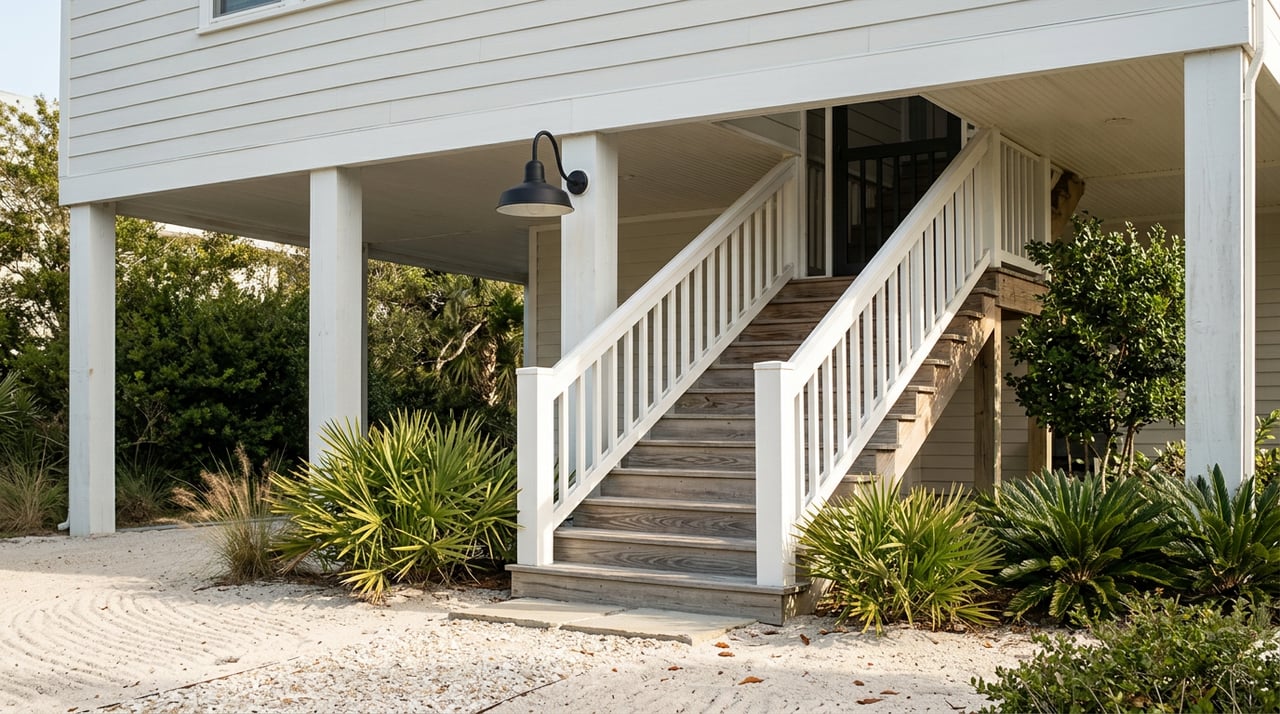
From 30A to Destin to Panama City Beach, the most valuable vacation in 2026 may be the one that feels simplest.
In 2026, the luxury traveler isn’t just buying a view—they’re buying certainty. Fewer moving pieces. Less friction. A destination that feels calm, curated, and easy to repeat. And while that sounds like lifestyle copy, it’s actually a measurable travel trend: major travel platforms are reporting a shift toward more intentional trips, road-trip-driven demand, and “calm” or purpose-led getaways—especially for families.
That context matters on Florida’s Emerald Coast, because the corridor from South Walton’s 30A through Miramar Beach and Destin and over to Panama City Beach was built for exactly that moment: a family-friendly, design-forward beach lifestyle you can actually access, enjoy, and repeat—without the extra risk variables that come with international travel.
This isn’t about selling fear. It’s about understanding behavior. And in 2026, behavior is leaning toward places that feel safe, predictable, and effortless.
The 2026 Vacation Buyer Has Changed (And It’s Good News for Drive-to Coastal Markets)
A few themes are showing up across credible 2026 trend reports:
- Road trips are back in a meaningful way (Hilton reports a large share of Americans plan to drive on their next vacation).
- Travelers are being more intentional—choosing trips for emotional purpose: rest, reconnection, and memory-making.
- Premium demand remains resilient, even when value segments soften—airlines are openly leaning into premium travelers as a key growth driver.
That combination tends to favor destinations that can deliver a high-end experience with low logistical complexity—especially for families traveling with kids, grandparents, or groups.
That’s the Emerald Coast’s wheelhouse.
The “International Friction” Factor: Why Ease Has Become the New Luxury
In 2026, travelers aren’t just choosing a destination—they’re choosing a level of certainty. When international itineraries come with more variables—airspace disruptions, shifting advisories, last-minute reroutes—people naturally gravitate toward the trip that feels clean, controlled, and genuinely relaxing. That’s where the Emerald Coast quietly separates itself. It delivers the same sun-and-water payoff people chase in the Caribbean, but with the confidence of staying domestic: easier access, familiar infrastructure, and a vacation rhythm designed for families who want to exhale the moment they arrive. Think bike paths instead of border lines. Dinner reservations and dune walkovers instead of contingency plans. And when the world feels louder than usual, destinations that feel calm, predictable, and effortless don’t just hold demand—they tend to win it.
Why 30A + the Emerald Coast Fit the 2026 “Easy Luxury” Profile
30A is not simply beach access; it’s a curated experience: walkability, architectural cohesion, carefully branded communities, and a rhythm that’s deliberately family-friendly. Destin delivers resort infrastructure and broad accessibility. Panama City Beach offers scale, variety, and value—with pockets that feel increasingly refined and investment-ready.
And importantly: visitors don’t just “like” the area—they associate it with comfort and safety. South Walton visitor research specifically calls out “sense of comfort & safety” as a top attribute visitors rate, which supports the idea that peace of mind is part of the product here.
This is the kind of destination families return to because it works.
What This Means for Real Estate in 2026 (Owners, Sellers, and Buyers)
1) For Short-Term Rental Owners: A Stronger Year Still Requires Professional Operations
The narrative you’re hearing—“rentals are up”—may be true locally, but the smartest lens is this:
Demand is durable here, but competition and expectations are higher. National STR outlook reporting suggests 2026 is positioned as a better investment climate than the last couple years—yet owners still win on pricing discipline, design, amenities, and guest experience.
In Walton County specifically, the county’s own STR registration program reporting gives a window into the market’s operating reality—showing an average nightly rate figure and meaningful system scale.
Translation: If you’re an owner heading into 2026, the upside is real—but it’s not passive. The properties that outperform are the ones that feel effortless to guests: clean design, great reviews, frictionless check-in, family-ready layouts, and strong property management.
2) For Sellers: 2026 Rewards “Investment-Ready” Inventory
In a year where travelers prioritize calm and reliability, buyers shopping for STRs will gravitate toward assets that are:
- Turnkey or lightly improved
- Clearly positioned (family compound, couples retreat, or premium group home)
- Near lifestyle anchors (beach access, town centers, bike paths, amenities)
- Supported by clean operational records (documented revenue, expenses, and management systems)
In other words: the seller who prepares like an operator often commands a different outcome than the seller who lists like it’s a primary home.
3) For Buyers: The Upside Is Real—But Underwriting Matters
If you’re buying along the Emerald Coast for short-term rental performance in 2026, the opportunity is strongest when you underwrite like a pro:
- Verify revenue claims with real documentation (not screenshots)
- Understand local compliance: Walton County’s STR registration program is actively organized and improving processes.
- Model realistic expenses (insurance, maintenance, utilities, management, reserves)
- Focus on repeatable demand drivers—family travel, beach access, and convenience—not one-off headlines
This is exactly why the Emerald Coast remains attractive: the demand base isn’t speculative. It’s structural.
The Demand Floor: Public Signals Across the Emerald Coast
For readers who want something measurable (and not just “vibes”), lodging-tax collections are one of the cleanest public proxies for paid stays.
- Walton County / South Walton: reporting consistently frames tourism as a major economic engine, including bed-tax/TDT scale in the “$60M+” range in recent years, alongside multi-billion-dollar visitor spending figures.
- Okaloosa County (Destin / FWB): county reporting shows bed-tax collections in the tens of millions, reinforcing the region’s high-volume visitation base.
- Bay County (Panama City Beach): public reporting on Tourist Development Tax collections provides a visibility layer into visitation activity as the market enters FY2026.
Taken together, these signals point to a market with a strong demand floor. The Emerald Coast benefits from scale, accessibility, and brand momentum—especially when travelers lean toward simpler, domestic vacations they can book with confidence.
Bottom Line: 2026 Belongs to Destinations That Feel Calm, Safe, and Easy to Repeat
There are beach markets built on novelty—and there are beach markets built on return trips. The Emerald Coast is the second kind.
In a year when the world feels noisier and travel feels more complicated, 30A and the surrounding corridor offer a rare luxury: a vacation that feels uncomplicated. And when vacations become easier, rentals become stronger. When rentals become stronger, the best-located real estate tends to get more valuable.
If 2026 is the year of “easy luxury,” the Emerald Coast is already ahead of the curve.