By The Gettings Group, Top 30A Real Estate Agents
Your home’s foundation is exactly what it sounds like — the base that supports everything above it. Along Scenic Highway 30A, where sandy soils, humidity, and seasonal storms are part of daily life, maintaining a healthy foundation is essential to preserving both safety and property value. From Gulf-front residences to quiet neighborhood homes, foundation care is one of the most important — and often overlooked — responsibilities of homeownership.
At The Gettings Group, we regularly see how proactive foundation maintenance protects long-term value and helps homes perform better during inspections and resale. The good news is that many foundation issues are preventable with consistent care, early detection, and smart water management.
Below, we’re sharing practical, homeowner-friendly guidance to help you protect your foundation year after year.
Understand the Foundation You Have
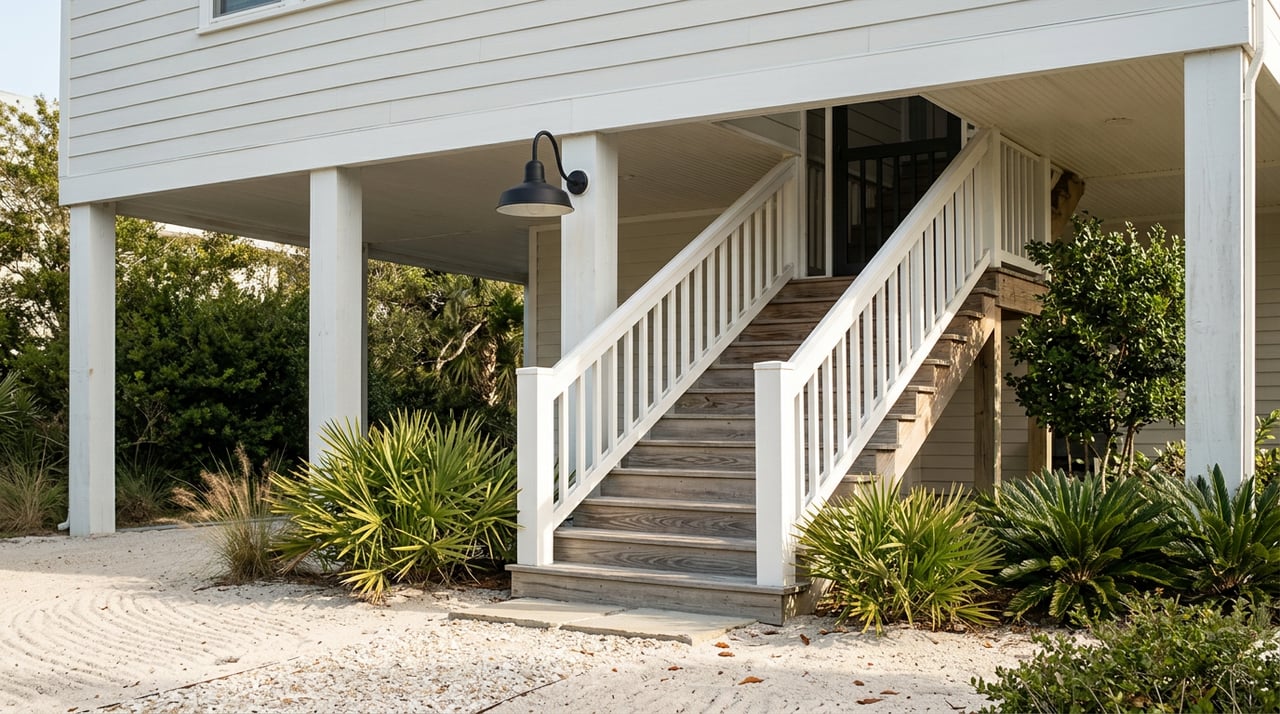
Not all foundations are built the same, and understanding yours is the first step in maintaining it properly. Homes along 30A may feature slab-on-grade foundations, crawl spaces, or raised foundations, depending on location, elevation, and age of the property.
Each type reacts differently to moisture, soil movement, and temperature changes. Slab foundations are especially sensitive to water pooling and soil expansion, while crawl spaces require consistent ventilation and moisture control. Knowing how your foundation is constructed allows you to focus on the right preventative strategies.
Each type reacts differently to moisture, soil movement, and temperature changes. Slab foundations are especially sensitive to water pooling and soil expansion, while crawl spaces require consistent ventilation and moisture control. Knowing how your foundation is constructed allows you to focus on the right preventative strategies.
Manage Water Around Your Home
Water is the single most influential factor affecting foundation health. Too much water — or uneven moisture — can cause soil to expand, shift, or erode, leading to cracks and structural movement.
Control Drainage
Ensure rainwater flows away from your home, not toward it. Gutters and downspouts should be clean and extend several feet from the foundation. Splash blocks or underground drain extensions help disperse water safely.
Maintain Proper Grading
The ground around your home should slope away from the foundation. Over time, soil can settle or wash away, creating low spots that allow water to collect near the structure. Regrading when necessary helps prevent water intrusion and pressure against foundation walls.
Avoid Standing Water
After heavy rain, walk your property and look for puddling near the home. Persistent standing water is a warning sign that drainage improvements are needed.
Monitor and Maintain Soil Moisture Levels
In coastal areas like 30A, soil consistency matters. While excessive moisture can be damaging, overly dry soil can also cause problems, especially during extended dry spells.
When soil dries out too much, it can shrink and pull away from the foundation, leading to settlement and cracking. Light, consistent watering during drought conditions can help keep moisture levels balanced. The goal is uniform moisture around the entire foundation, avoiding extreme fluctuations.
When soil dries out too much, it can shrink and pull away from the foundation, leading to settlement and cracking. Light, consistent watering during drought conditions can help keep moisture levels balanced. The goal is uniform moisture around the entire foundation, avoiding extreme fluctuations.
Inspect for Early Warning Signs
Foundation issues often start small, and early detection can make all the difference.
Interior Warning Signs
Pay attention to cracks in walls or ceilings, especially those that are diagonal or widening over time. Doors and windows that suddenly stick, gaps between walls and floors, or uneven flooring can all indicate foundation movement.
Exterior Indicators
Check for cracks in exterior walls, separation around windows, or gaps between brickwork and siding. These signs don’t always mean a major issue, but they do warrant closer inspection. We recommend doing a visual foundation check at least twice a year and after major storms.
Protect Trees and Landscaping Placement
Landscaping plays a larger role in foundation health than many homeowners realize. Large trees planted too close to the home can draw moisture from the soil, causing uneven drying and potential settlement. Roots can also exert pressure on foundation walls over time.
As a general rule, plant trees at a distance equal to their mature height away from the home. Shrubs and smaller plants are typically safe closer to the structure, as long as they don’t trap moisture against foundation walls.
As a general rule, plant trees at a distance equal to their mature height away from the home. Shrubs and smaller plants are typically safe closer to the structure, as long as they don’t trap moisture against foundation walls.
Maintain Crawl Spaces and Ventilation
If your home has a crawl space, proper ventilation and moisture control are critical. Ensure vents are clear and unobstructed, allowing air to circulate and reduce humidity. Excess moisture in crawl spaces can lead to mold, wood rot, and weakened structural supports.
Many homeowners opt for vapor barriers or professional encapsulation systems to improve moisture control — a worthwhile investment in humid coastal environments.
Many homeowners opt for vapor barriers or professional encapsulation systems to improve moisture control — a worthwhile investment in humid coastal environments.
Seal Cracks and Penetrations Promptly
Small cracks in concrete foundations are common, especially in slab homes. However, ignoring them can allow water intrusion, pests, and further expansion.
Seal visible cracks with appropriate concrete sealants and monitor them over time. If cracks widen, reappear after repair, or are accompanied by other warning signs, consult a professional foundation specialist.
Seal visible cracks with appropriate concrete sealants and monitor them over time. If cracks widen, reappear after repair, or are accompanied by other warning signs, consult a professional foundation specialist.
Schedule Professional Evaluations When Needed
Not every concern requires immediate repair, but professional insight is invaluable when warning signs appear. A licensed structural engineer or foundation specialist can determine whether movement is normal settling or something more serious.
Having a professional evaluation not only provides peace of mind but also creates documentation that can be helpful during future resale or insurance discussions.
Having a professional evaluation not only provides peace of mind but also creates documentation that can be helpful during future resale or insurance discussions.
Foundation Maintenance and Resale Value
From a real estate perspective, foundation condition is one of the first things buyers and inspectors focus on. Even minor unresolved concerns can raise red flags during inspections and lead to renegotiations or delayed closings.
Homes with a history of proactive foundation maintenance — including drainage improvements, documented inspections, and timely repairs — stand out in the 30A market. They signal responsible ownership and reduce perceived risk for buyers.
Homes with a history of proactive foundation maintenance — including drainage improvements, documented inspections, and timely repairs — stand out in the 30A market. They signal responsible ownership and reduce perceived risk for buyers.
Frequently Asked Questions
What causes foundation problems in coastal areas like 30A?
Soil movement, excess moisture, poor drainage, tree root interference, and storm-related water intrusion are common contributing factors.
Are small cracks in my foundation normal?
Hairline cracks can be normal due to settling, but cracks that widen, spread, or appear alongside other issues should be evaluated.
How often should I inspect my foundation?
A visual inspection twice a year, plus after major storms, is a good rule of thumb.
Can foundation issues affect home insurance or resale?
Yes. Unresolved foundation problems can impact insurance coverage and often affect buyer confidence and property value.
Is foundation repair always expensive?
Not always. Early intervention and preventative maintenance are far more affordable than major structural repairs.
Protect the Foundation That Protects Your Home
Maintaining your home’s foundation is one of the smartest long-term investments you can make — especially in a coastal market like 30A. With proper water management, regular inspections, and timely care, most foundation issues can be prevented before they become serious.
If you’re considering selling your home, purchasing along 30A, or simply want guidance on how foundation condition impacts property value, The Gettings Group is here to help.
Visit https://gettingsgroup.com/ to connect with our team and gain trusted insight from top 30A real estate experts who understand what truly protects your home and your investment.
If you’re considering selling your home, purchasing along 30A, or simply want guidance on how foundation condition impacts property value, The Gettings Group is here to help.
Visit https://gettingsgroup.com/ to connect with our team and gain trusted insight from top 30A real estate experts who understand what truly protects your home and your investment.