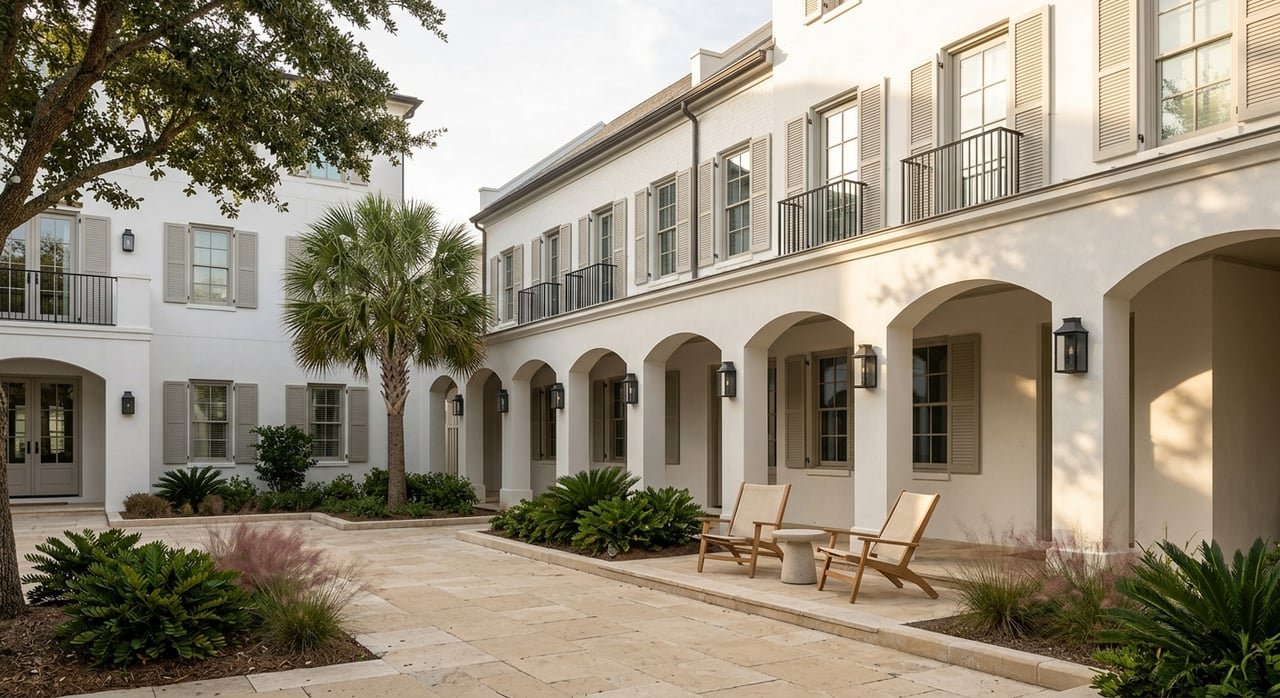
If you are thinking about buying in WaterColor, it helps to know that you are not just buying a home. You are buying into a master-planned coastal community with shared amenities, layered HOA structure, and rules that shape daily life. Understanding how those pieces fit together can help you make a smarter decision and avoid surprises once you own. Let’s dive in.
Why WaterColor Feels Different
WaterColor is a 499-acre master-planned community in Walton County on 30A. It was established in 1999 by The St. Joe Company and later turned over to the WaterColor Community Association in 2013. The community includes about 1,021 completed homes today, with full build-out expected at 1,063 homes.
Nearly half of WaterColor is devoted to common and natural areas, which is a major reason the neighborhood feels open and resort-like. The community also surrounds Western Lake, which the HOA identifies as the largest coastal dune lake in Walton County. For many buyers, that setting is a big part of the appeal.
How the Community Is Organized
WaterColor is governed by the WaterColor Community Association, often called the WCA, and managed by CCMC. A five-member board oversees the community, with monthly board meetings and an annual owner meeting to elect directors. That structure gives WaterColor a more formal feel than a typical beach neighborhood.
This matters because WaterColor is not one simple ownership model. Some parts of the community are part of sub-associations with separate management and separate assessments. The HOA specifically identifies Private Residence Club, Town Center Condominium, and Beachside Condominium as examples.
If you are comparing two properties in WaterColor, you should confirm whether each one belongs only to the master association or also to a sub-association. That one detail can affect your fees, rules, parking, and amenity access. It can also change how you compare value from one property type to another.
WaterColor Has Micro-Neighborhoods
One of the biggest buyer mistakes in WaterColor is treating the whole community as if it were uniform. It is not. Official community materials show a long list of named districts and lot groups, including Cottage District, Park District, Lake District, Lake Forest, Summersweet Place, Turtle Ridge, Tennis Cottages, Tennis District, Town Center East, and Town Center West.
In practical terms, WaterColor works more like a collection of micro-neighborhoods inside one larger community. Lot sizes, home styles, proximity to amenities, and design rules can vary from one area to another. A home near Town Center may offer a different daily experience than one closer to parks, trails, or Western Lake.
That is why location inside WaterColor matters almost as much as the community itself. When you tour homes, it helps to ask not only about the house but also about the specific district, access patterns, and governing documents tied to that address.
What Types of Homes You Will Find
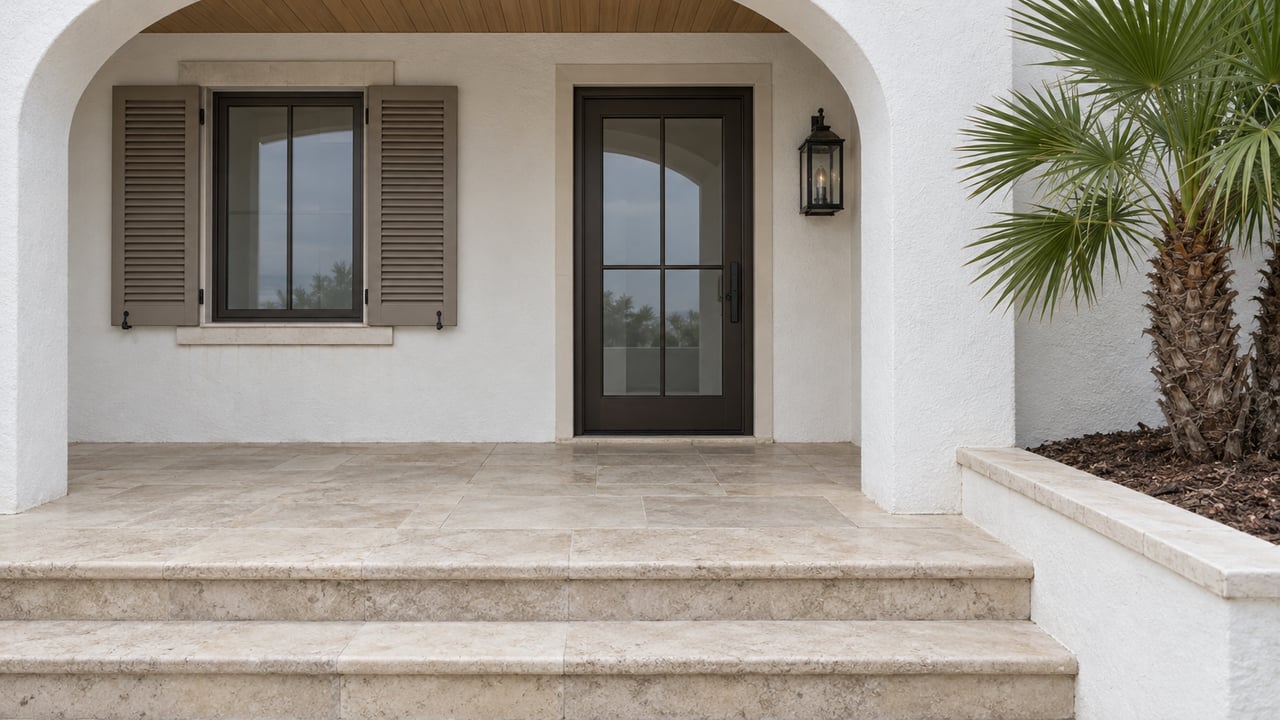
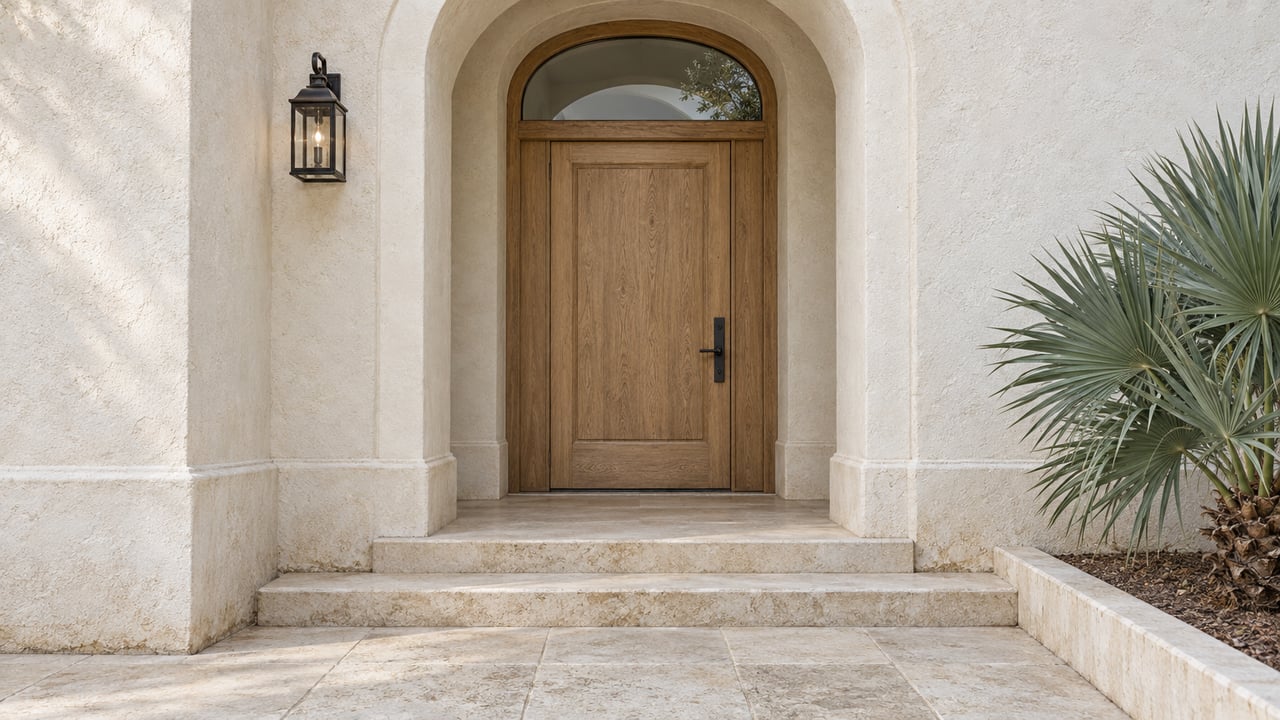
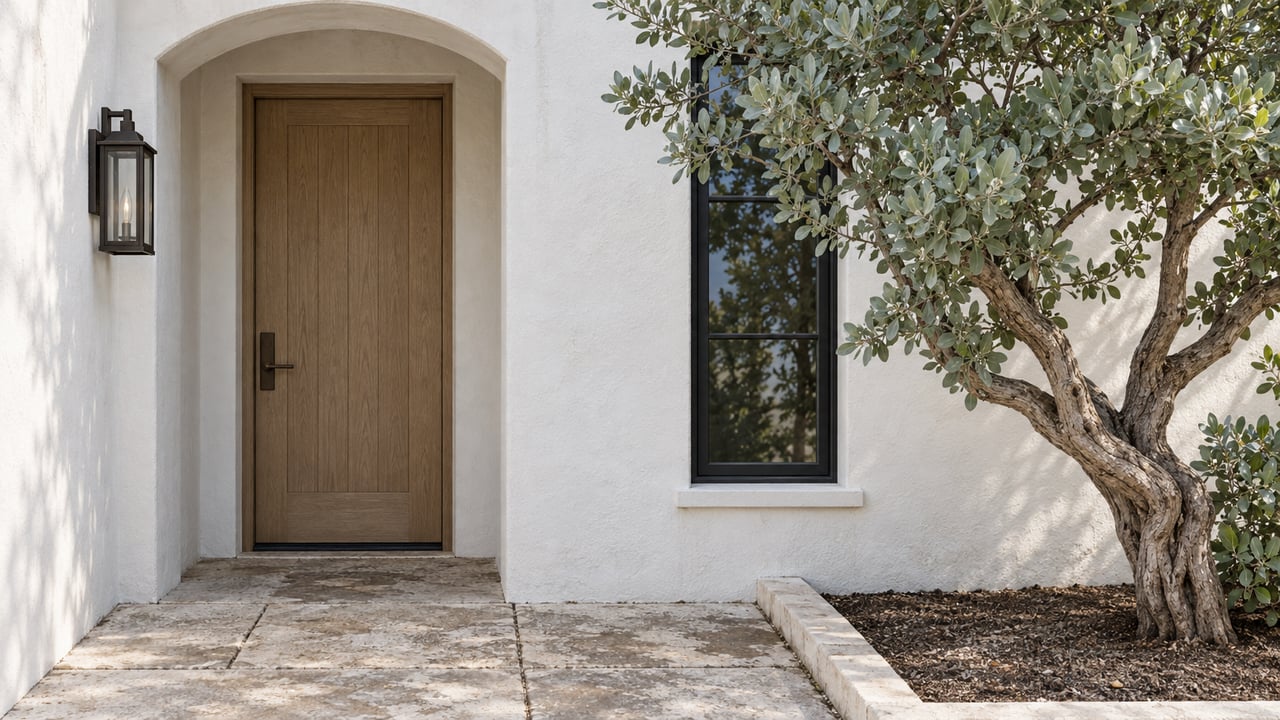
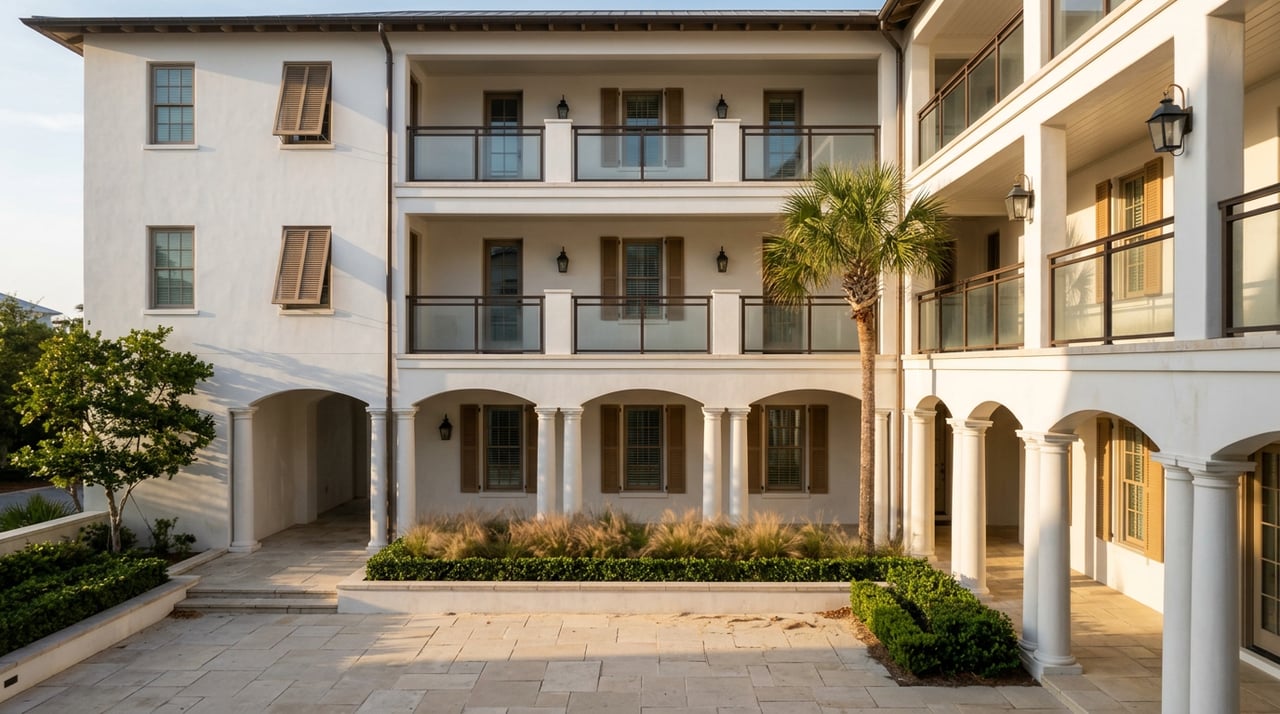
WaterColor design guidelines describe the architecture as inspired by vernacular Southern wood houses. You will see vertical proportions, deep roof overhangs, and full-facade porches throughout the community. That consistency is part of WaterColor’s visual identity and long-term appeal.
Most buyers will see a mix of single-family homes and some multi-family ownership formats. The HOA notes that Town Center includes 117 multi-family units, and the estoppel guidance separately flags Town Center Condominium and Beachside Condominium as sub-associations. If a listing is described in a way that suggests a low-maintenance or attached-home option, it is worth confirming the exact recorded property type and ownership structure.
Carriage houses and garages are also subject to specific design rules. In some districts, they are allowed only in certain façade zones. If you are buying with future flexibility in mind, such as adding features or changing the exterior later, those rules should be part of your due diligence early on.
What the HOA Protects
In WaterColor, the HOA does more than collect dues. It also helps preserve the look, function, and amenity experience of the community. Common areas are maintained by Brightview Landscaping, and exterior changes go through a formal design review process.
That process covers items like paint colors, landscaping, additions, pools, pavers, carriage houses, and lighting. In other words, ownership here comes with a high level of visual consistency. Many buyers see that as a strength because it helps maintain the community’s character over time.
At the same time, this is not the right fit for everyone. If you prefer very few exterior restrictions, WaterColor may feel more structured than other coastal neighborhoods. If you value cohesive design and managed common spaces, that same structure may feel like a benefit.
Amenities Are a Big Part of the Value
WaterColor’s amenity package is one of its defining features. According to the HOA, the community includes 10 pools, five clay tennis courts, two pickleball courts, a bocce court, a half basketball court, a soccer field, a playground, five miles of hiking and biking trails, four piers and a dock on Western Lake, five park areas, an outdoor amphitheater, and gardens.
Homeowners also have beach access through Van Ness Beach Access. For many second-home buyers and lifestyle-focused owners, this amenity mix is a major reason WaterColor stands out on 30A. It offers more than a place to sleep near the beach. It offers a built-in recreation and resort experience.
The Beach Club and Camp WaterColor are especially important to understand. The Beach Club includes three pools, expanded seating, towel service, on-site food and beverage, and cabanas. Camp WaterColor adds two pools, slides, a lazy river, and an on-site restaurant and bar.
The BoatHouse on Western Lake supports paddle and fitness programming, and the community trolley provides free on-demand transportation within WaterColor. The transportation pages also note that the community was designed with walking and biking in mind. If you want a neighborhood where you can move around without relying on your car for every short trip, that can be a meaningful advantage.
Amenity Access Comes With Rules
Amenity access in WaterColor is controlled rather than open-ended. Homeowner wristbands stay active as long as you own the property, and everyone age 5 and older needs a wristband to enter amenities. A homeowner may bring up to two guests with a wristband, and immediate family members are eligible for homeowner wristbands.
The HOA also offers free guest wristbands for accompanied guests. That is useful for owners who host friends or family, but it still reflects a structured access system. Buyers should understand that resort-style amenities here are actively managed, not casual or unlimited.
There are also operating rules that affect day-to-day use. The Beach Club and Camp WaterColor prohibit outside food and beverage, coolers, glass items, and personal speaker amplification. These are small details, but they shape the ownership experience and are worth knowing before you buy.
What HOA Costs May Include
WaterColor assessments are billed quarterly on January 1, April 1, July 1, and October 1. The HOA states that the assessment includes HOA dues, cable and internet, and the special assessment for the Camp WaterColor and Beach Club expansion unless that special assessment has already been paid off.
That special assessment was approved in July 2016, began in January 2017, and is set at $330 per quarter until 2030. This is an important line item for buyers to verify during due diligence. It affects real carrying cost, even if it is easy to overlook when focusing only on purchase price.
WaterColor also bundles some routine services into the quarterly bill. According to the HOA, the package includes basic cable and internet through Mediacom, fiber cable internet up to 200 Mbps, Wi-Fi at community pools and the beach, and garbage collection. That can simplify budgeting because several recurring services are included rather than billed separately.
For condo owners in Town Center or Beachside, billing is handled separately through the sub-association manager. That is another reason buyers should not assume every WaterColor property has the same fee structure.
What Rental Buyers Should Review
If you are buying with short-term rental use in mind, WaterColor has rules that directly affect operations. The HOA requires all short-term rentals of less than six months to register in its short-term rental portal. That requirement has been in effect since February 1, 2024.
For 2025, the HOA set a guest fee of $9 per person per night for unaccompanied and rental-guest stays, based on the property’s certified occupancy. For an investor or second-home owner who plans to rent part of the year, this should be part of the income and expense analysis. Gross revenue tells only part of the story.
WaterColor also notes that the Beach Club is the only beachfront clubhouse pool available to rental guests along 30A. That can be a meaningful draw for some buyers evaluating guest experience and marketability. Still, the value of that feature should always be weighed alongside fees, registration rules, and occupancy-related costs.
Parking Can Affect Convenience
Parking is another area where WaterColor’s structure shows up in everyday life. Rental guests receive one hangtag for homes and two for condos, and hangtags are not needed on private driveways. Seasonal paid parking applies at the Beach Club, Camp WaterColor, and parts of Town Center from March 1 through October 31.
The HOA lists a $25 transaction rate for seasonal paid parking and a $100 fee for violations. Boats and RVs are not allowed in the community. If you are comparing WaterColor to a less regulated neighborhood, these details can have a real effect on convenience for you and your guests.
For some buyers, the managed parking system supports a more orderly experience. For others, it may feel restrictive. The right answer depends on how you plan to use the property.
How to Compare Homes the Smart Way
When you buy in WaterColor, the smartest approach is to look beyond square footage and finishes. You also want to compare the ownership structure, district location, amenities that matter most to you, and the rules tied to that property. Two homes with similar price points can offer very different ownership experiences.
A simple comparison checklist can help:
- Confirm whether the property is in the master association only or also in a sub-association
- Review quarterly assessments and whether the special assessment applies
- Verify what utilities and services are bundled into the HOA bill
- Check amenity access rules for owners, guests, and rental guests
- Understand parking credentials and seasonal parking policies
- Review design restrictions if you may want to repaint, landscape, add a pool, or modify the exterior
- Confirm rental registration requirements and guest fee implications if rental use matters to you
- Compare the property’s district location relative to the Beach Club, Camp WaterColor, trails, parks, and Town Center
The Bottom Line on Buying in WaterColor
WaterColor can be an excellent fit if you want a polished coastal community with broad amenities, strong visual standards, and a walkable resort-style setting on 30A. The tradeoff is that ownership comes with a more layered set of fees, rules, and governance than you may find in a simpler beach neighborhood. For the right buyer, that structure is part of the value.
The key is to buy with clear eyes. When you understand how the home, the amenities, and the HOA work together, you can choose a property that matches both your lifestyle and your long-term goals.
If you want help comparing WaterColor homes, reviewing ownership structure, or narrowing down the right fit along 30A, connect with The Gettings Group.
FAQs
What is the WaterColor Community Association in WaterColor, Florida?
- The WaterColor Community Association is the master association that governs the community, oversees common areas, and manages many of the rules, amenities, and assessments tied to ownership.
Are all WaterColor properties governed the same way?
- No. Some properties are part of sub-associations, including Town Center Condominium, Beachside Condominium, and Private Residence Club, which can have separate management and assessments.
What amenities do homeowners get in WaterColor?
- According to the HOA, homeowners have access to features that include 10 pools, tennis and pickleball courts, trails, parks, Western Lake piers and dock access, homeowner-only beach access, the Beach Club, Camp WaterColor, and trolley service.
What do WaterColor HOA fees include?
- The HOA states that quarterly assessments include HOA dues, cable and internet, garbage collection, and the Camp WaterColor and Beach Club expansion special assessment unless that special assessment has already been paid off.
Can you short-term rent a home in WaterColor?
- Yes, but rentals of less than six months must be registered through the HOA’s short-term rental portal, and 2025 guest fees apply to unaccompanied and rental-guest stays based on certified occupancy.
Do WaterColor owners need approval for exterior changes?
- Yes. The design review process applies to many exterior changes, including paint, landscaping, additions, pools, lighting, pavers, and other visible modifications.
How does parking work in WaterColor for owners and guests?
- Parking is managed through credentials and seasonal rules. Rental guests receive limited hangtags, seasonal paid parking applies in certain areas from March 1 to October 31, and boats and RVs are not allowed in the community.