What makes Seaside feel so distinct the moment you arrive? It is not just the beach. It is the way the town was planned to shape how you move, gather, and spend your day. If you are considering owning in Seaside or simply want to understand why daily life here feels different, this guide will walk you through the design choices that define coastal living in this part of Walton County. Let’s dive in.
Seaside Was Planned for Daily Life
Seaside was conceived as a town, not just a resort community. According to the town’s history and the Congress for the New Urbanism, construction began in 1981, and the 80-acre community was designed around a form-based code and a radial plan centered on a true town core.
That planning approach still shapes how the town functions today. Instead of streets spreading outward without a clear focal point, Seaside’s layout pulls you back toward the center. The result is a place that feels compact, connected, and intentional in everyday use.
Walkability Shapes the Routine
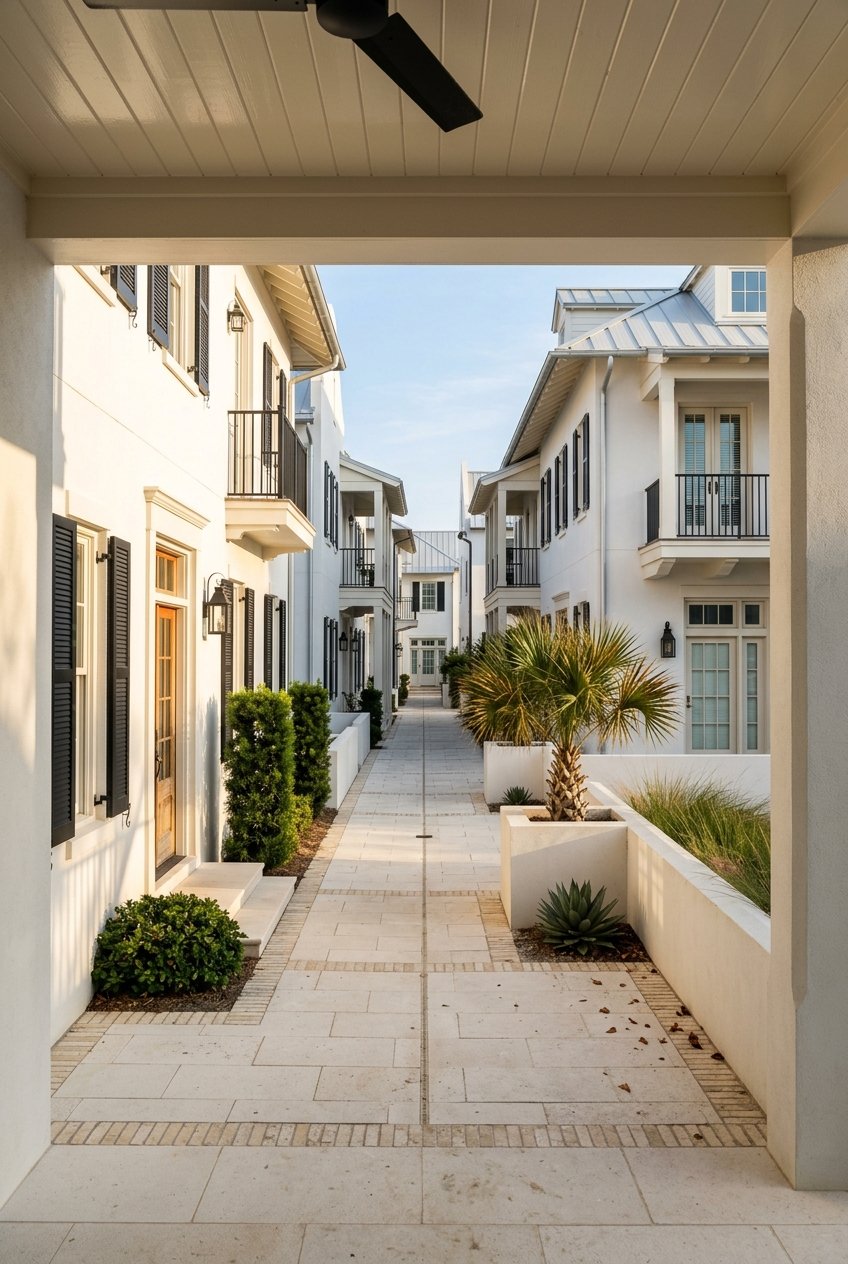
One of the biggest differences in Seaside is how often you can leave the car parked. The town highlights its brick-paved streets, white-sand footpaths, and centrally located square, all of which make it easy to reach shops, dining, the beach, and homes on foot.
For many owners and visitors, that changes the rhythm of the day. A morning coffee, a beach walk, lunch, and an evening event can all happen within a short walk or bike ride. That kind of routine supports a more relaxed coastal lifestyle with fewer errands built around driving.
Compact Design Has Trade-Offs
A pedestrian-first layout is a major part of Seaside’s appeal, but it also comes with practical realities. The town notes that parking can be more limited during peak seasons and special events.
If you value convenience and a highly walkable setting, that trade-off may feel worth it. If you prefer larger roads, more separation, and easy parking at every stop, Seaside may feel more active and condensed than other beach communities.
The Town Center Sets the Pace
Seaside’s Town Center is more than a visual focal point. The Congress for the New Urbanism describes it as a mix of restaurants, bars, shops, an amphitheater, a central green, and beach access, with some mixed-use buildings that place residences above commercial space.
That setup creates a built-in social rhythm. Instead of spreading daily activities across different parts of town, Seaside clusters them in one central area. This makes casual meetups, errands, meals, and evening plans feel naturally connected.
Central Square Brings Activity Year-Round
The town’s FAQ notes that Central Square and the town green regularly host farmers markets, outdoor concerts, pop-up retail, and art gatherings. Current town programming also includes recurring events like Central Square Cinema and the SEASIDE Art Walk.
That matters for everyday living because the center is not just decorative. It stays active and gives the town a shared gathering space that residents, second-home owners, and visitors all use throughout the year.
Beach Access Is Part of the Experience
In Seaside, the walk to the beach is part of the design story. The Gulf-front edge includes nine distinctive pavilions, and the Congress for the New Urbanism notes that each street leading toward the water ends at a community pavilion.
This creates an easy and memorable wayfinding system. You are not just heading toward the beach through a random access point. You are moving through a sequence of streets and landmarks that reinforces the town’s identity.
The Walk to the Water Feels Intentional
That may sound like a small detail, but it shapes how the town feels every day. Clear visual markers and connected routes make the beach feel woven into daily life rather than separated from it.
For owners, that can add both convenience and character. It also means beach access is experienced as a shared public feature, which supports the communal feel that defines Seaside.
Architecture Influences How You Live
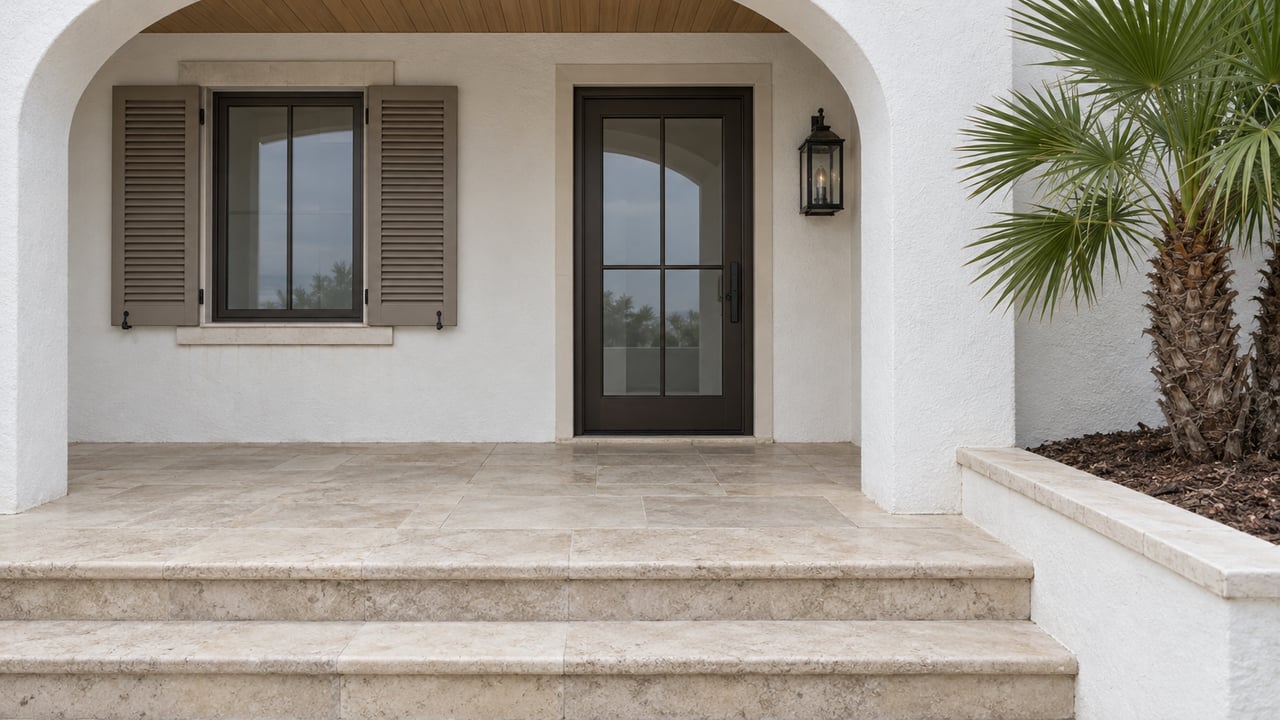
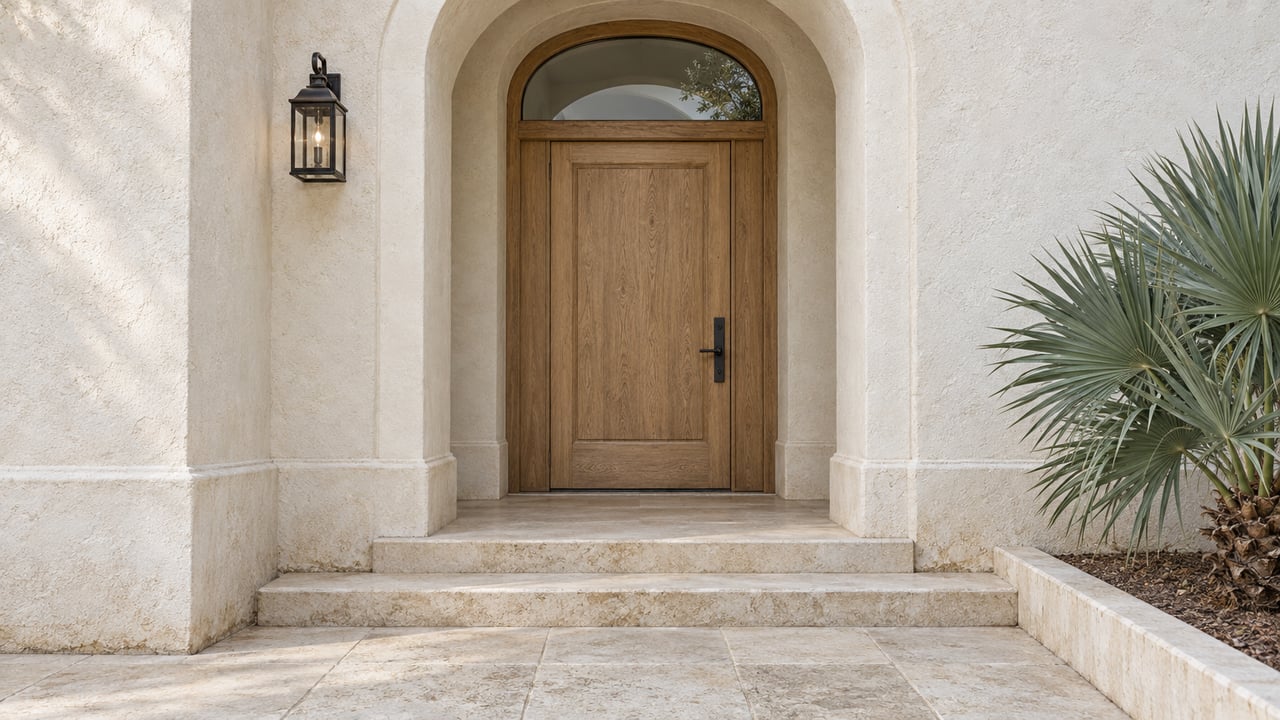
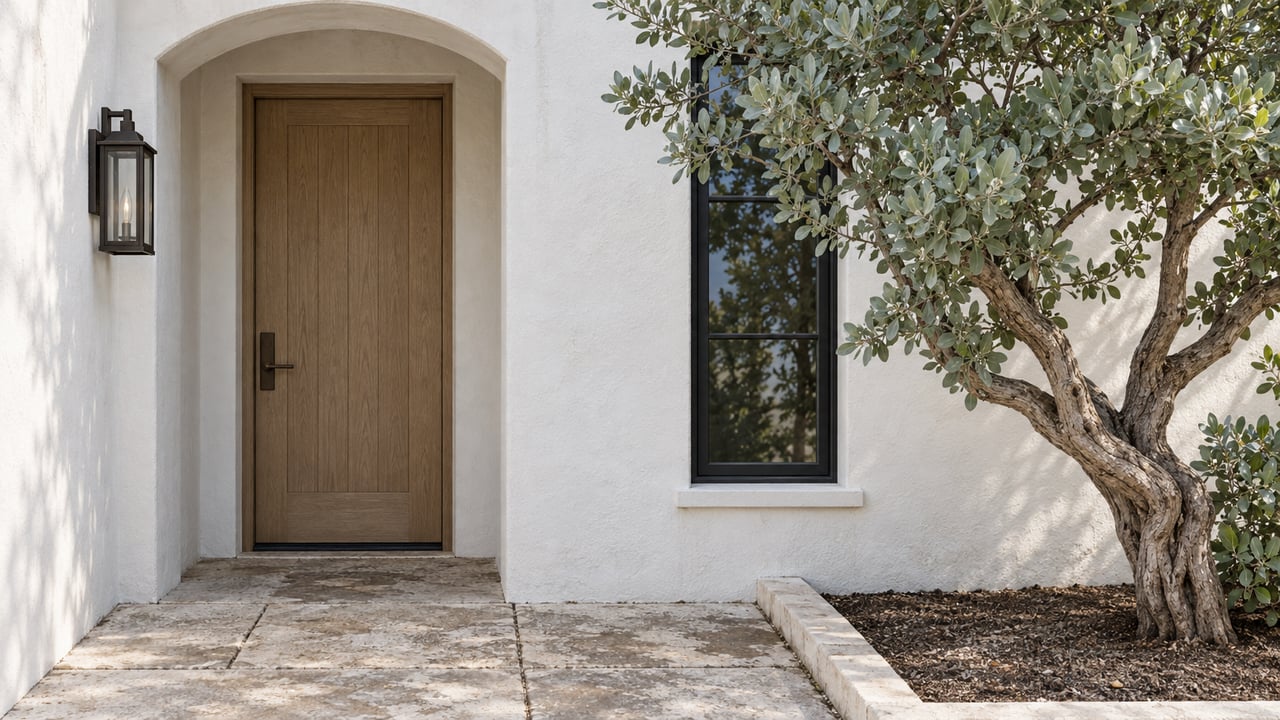
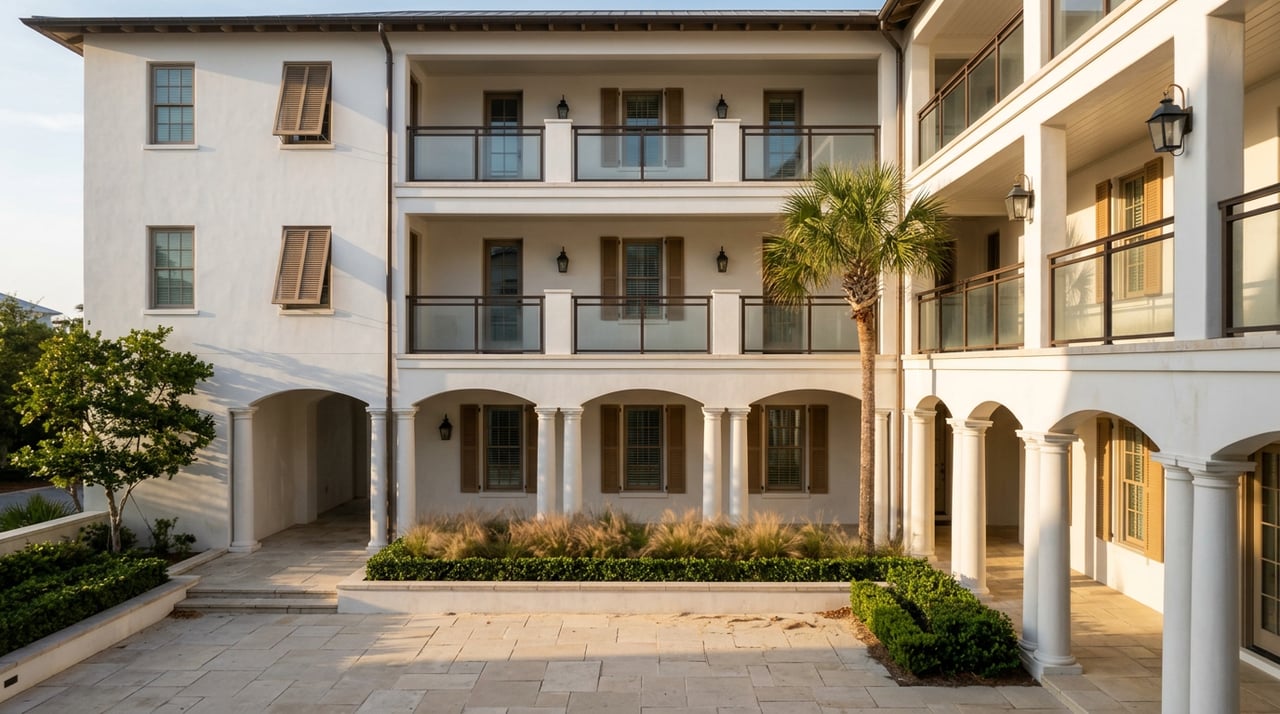
Seaside’s design standards extend well beyond the street plan. The published Seaside Code emphasizes features like wood siding, wood windows and doors, porch-centered entries, and a coordinated streetscape, while limiting some modern materials and details.
Those standards are not just historical. The town continues to post SARC review notices, and the Congress for the New Urbanism notes that Seaside has engaged a town architect since 1983. In other words, architectural consistency is still an active part of how the community is managed.
Porches and Streetscapes Encourage Interaction
The way homes sit on their lots also affects daily life. The Congress for the New Urbanism notes that few houses have front lawns, backyards provide limited privacy, and rear walks were added to encourage pedestrian movement and neighbor interaction.
That design creates a more open and social environment. If you enjoy front porches, shared spaces, and a visible neighborhood rhythm, this can feel welcoming. If you want deeper setbacks, larger private yards, and more visual separation, Seaside may feel more connected than secluded.
Landscaping Supports a Low-Input Coastal Look
Seaside also takes a distinct approach to landscaping. The town notes that native plants and low-input landscaping are used throughout the community.
For homeowners, this supports the clean, coastal look Seaside is known for without relying on a more conventional, sod-heavy yard style. It also reinforces the town’s original emphasis on environmental respect and a cohesive visual identity.
What This Means for Buyers and Owners
If you are considering a home in Seaside, the town’s design should be part of your decision, not just the architecture or location. The layout supports a lock-and-leave lifestyle, easy beach access, and a routine built around walking, biking, and shared public space.
That can be especially appealing if you are buying a second home or want a property where design and lifestyle are closely linked. At the same time, it helps to understand that Seaside’s charm comes with less privacy, more foot traffic, and a stronger sense of communal living than you may find in larger-lot coastal neighborhoods.
Why Design Matters in Real Estate Decisions
In a market like 30A, neighborhood design can shape your experience as much as the home itself. A beautiful house in a highly walkable town will live differently than a beautiful house in a more private, spread-out setting.
That is why understanding the layout, architecture rules, public spaces, and daily flow of a place like Seaside matters before you buy or sell. The strongest real estate decisions are not based on aesthetics alone. They come from knowing how a community actually functions day to day.
If you are weighing whether Seaside fits your lifestyle goals, ownership plans, or long-term property strategy, working with a local team that understands both the design character and the practical side of the market can make the process much clearer. The Gettings Group offers thoughtful guidance for buyers and sellers across Seaside, 30A, and the Emerald Coast.
FAQs
How does Seaside’s town design affect everyday living?
- Seaside’s layout supports walking, biking, and frequent use of shared public spaces, which can make daily routines feel more convenient, social, and connected to the beach and town center.
Why does Seaside feel different from many beach neighborhoods?
- Seaside was planned as a town with a central core, connected streets, mixed-use spaces, and architectural standards, rather than as a conventional beach subdivision built mainly around cars and larger private lots.
What are Seaside’s main walkability features?
- Key walkability features include brick-paved streets, white-sand footpaths, a central square, connected routes to shops and dining, and beach streets that end at community pavilions.
How does Central Square influence life in Seaside?
- Central Square acts as the social and functional hub of the town, bringing together dining, shopping, events, and public gathering spaces that help create a steady rhythm of activity.
What should homebuyers know about privacy in Seaside?
- Buyers should know that Seaside’s design emphasizes porches, shared streetscapes, and close community connection, which often means less yard privacy and more pedestrian activity than in larger-lot neighborhoods.
How do Seaside’s architecture rules affect homeowners?
- The town’s design standards help maintain a consistent coastal character and coordinated streetscape, which can support visual appeal but also means exterior changes and design choices are guided by established review standards.