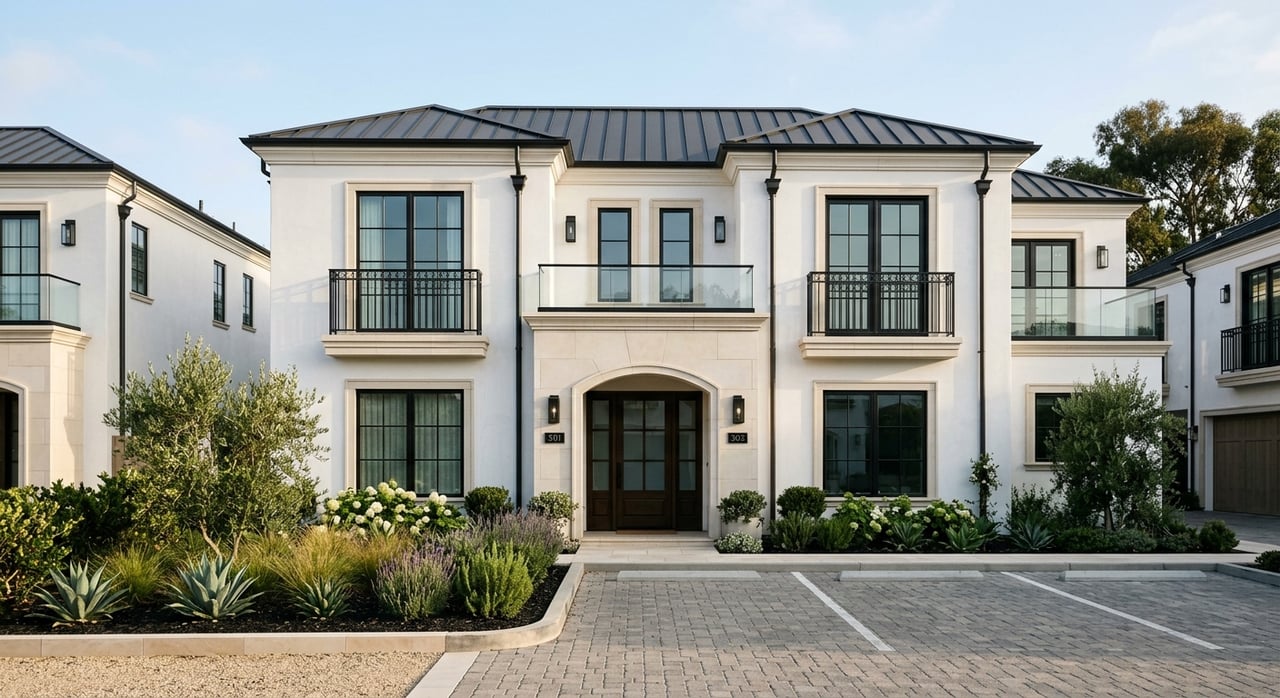
Wondering whether a condo or a home makes more sense in Panama City Beach? It is a smart question, because along this stretch of the Gulf, the right fit is about more than square footage or beach access. Your best choice depends on how you plan to use the property, how much maintenance you want to handle, and how comfortable you are with rules around rentals, parking, and shared spaces. Let’s dive in.
Why the choice matters in Panama City Beach
In Panama City Beach, the condo versus home decision is shaped by local ownership rules as much as by lifestyle. This is a tourism-driven market, so if you are buying for personal use, part-time use, or rental income, the legal and practical differences can be significant.
One of the biggest local factors is short-term rental regulation. Within Panama City Beach city limits, vacation rentals require a Vacation Rental Certificate, and compliance is tied to local noise, parking, and occupancy rules. In unincorporated Bay County, the short-term vacation rental certificate rule applies to single-family through four-family dwellings, while high-rise condominium units and apartment complexes are exempt.
That means two properties with similar price points can come with very different ownership experiences. Before you fall in love with a view or a floor plan, it helps to understand how the property type fits your goals.
Condos and homes follow different rules
Florida treats condos and homes under different legal frameworks. Condominiums are governed by Chapter 718, while homes and many townhomes in HOA communities are typically governed by Chapter 720.
For you as a buyer, that difference affects how ownership works day to day. A condo unit is separate real property, but your rights and use are defined by the condominium declaration and association documents. With a home in an HOA, you may still have assessments, architectural controls, and fines, but you usually have more direct parcel-level control.
Townhomes can sit somewhere in the middle. Some feel more like a condo with shared maintenance and tighter rules, while others feel much closer to a detached home. In Panama City Beach, the label matters less than the governing documents.
Condo ownership in Panama City Beach
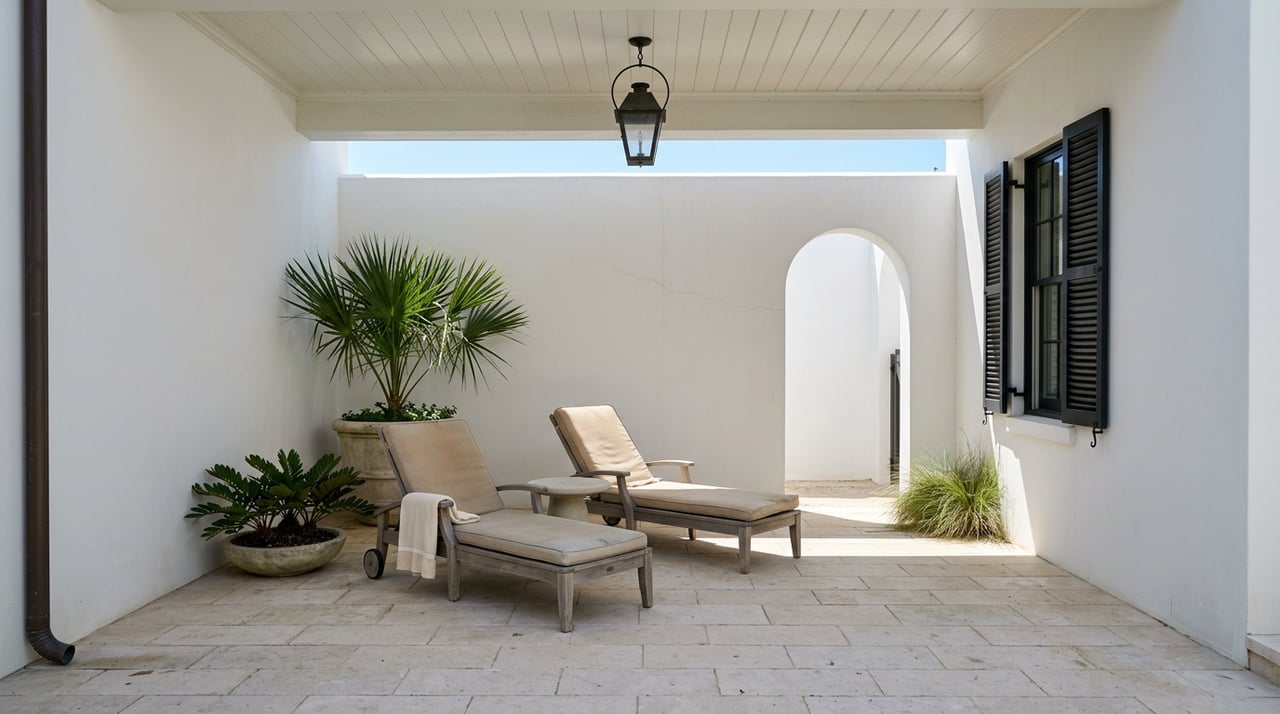
A condo often appeals to buyers who want a simpler, more lock-and-leave setup. If you do not want to manage a roof, exterior painting, grounds, or shared building systems yourself, condo living can be attractive.
Under Florida condo law, the association is generally responsible for maintaining, repairing, and replacing the common elements and other property assigned to it by the declaration. That shared responsibility can make ownership feel more convenient, but it also means more reliance on association budgets, records, and decision-making.
Condo ownership also tends to be more document-driven than many buyers expect. Florida law requires reserve funding for capital expenditures and deferred maintenance, and many buildings that are three stories or higher must complete structural integrity reserve studies and milestone inspections on the state schedule.
In a coastal market, storm preparation matters too. For condo buyers, responsibility for shutters, exterior windows, doors, apertures, and related removal or reinstallation costs can be assigned by the declaration or by board decision if the declaration is silent. That is worth reviewing closely before you buy.
When a condo may be the better fit
A condo may suit you if you want:
- A lower-maintenance ownership style
- A part-time or second-home setup
- Building oversight handled through an association
- A more turnkey property for lock-and-leave use
The trade-off is that you are usually accepting more shared decision-making, more paperwork, and less day-to-day privacy.
Home ownership in Panama City Beach
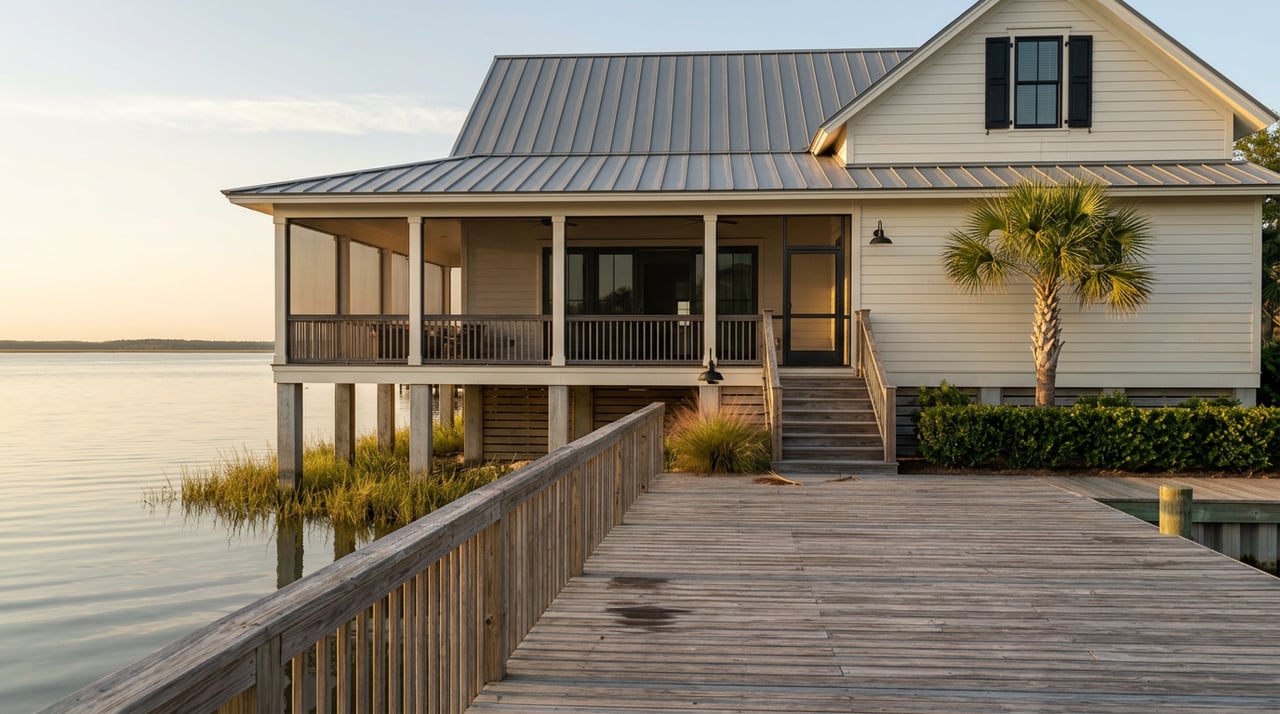
A single-family home usually offers more direct control over how you live and maintain the property. If you want more storage, driveway space, outdoor room, or separation from neighbors, a home often delivers that more naturally than a condo.
With that control comes more responsibility. In most cases, you handle maintenance more directly, including the exterior, systems, and site upkeep unless an HOA takes on some shared duties.
Homes are not always rule-free, though. In an HOA community, the association may still regulate exterior appearance, approve certain improvements, collect assessments, and enforce community rules. So while a home often gives you more autonomy than a condo, it is still important to read the documents carefully.
When a home may be the better fit
A home may suit you if you want:
- More privacy
- More parking flexibility
- More storage and usable outdoor space
- Greater control over day-to-day living
- A better fit for full-time or frequent use
For many Panama City Beach buyers, those practical benefits can matter just as much as the style of the property itself.
Where townhomes fit in
Townhomes can be a smart middle ground. You may get more space and a more residential feel than a condo, without taking on the full maintenance demands of a detached home.
Still, townhomes vary widely. The association may control exterior appearance and common-area upkeep, while you retain more direct control over the parcel than you would with a condo. Because of that, the maintenance split should always be verified in the declaration and HOA rules.
If you are comparing a townhome to either a condo or a house, do not assume the ownership experience based on the property label alone. The documents tell the real story.
Privacy and shared space
This is one of the clearest lifestyle differences. Condo living naturally involves more shared space, because common elements include areas and systems outside the unit that serve more than one owner.
In practical terms, that often means more proximity to neighbors, more common-area traffic, and less privacy. If you value a quieter day-to-day setup, that may push you toward a detached home or certain townhomes.
A home usually gives you more personal control and separation. If that matters to your routine, guest use, or long-term comfort, it should carry real weight in your decision.
Parking matters more than many buyers expect
Parking is one of the most overlooked factors in Panama City Beach. It becomes especially important if you plan to host frequent guests or use the property as a short-term rental.
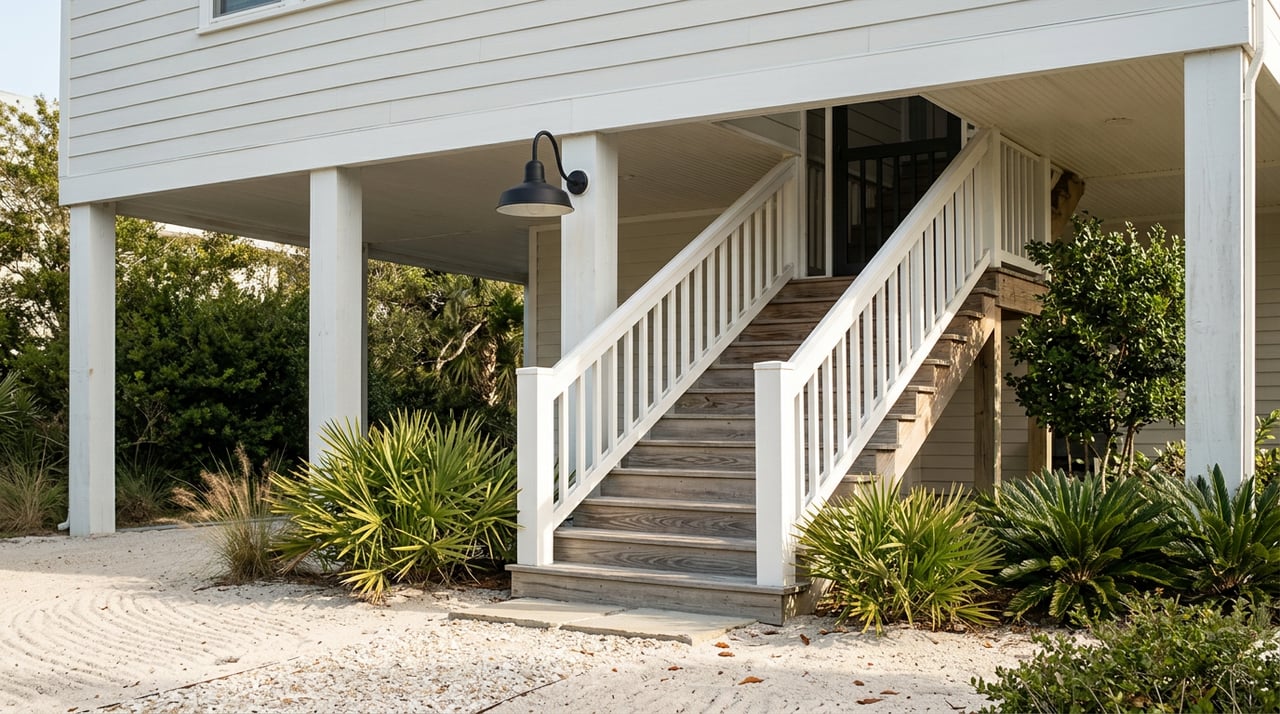
The city operates three public beach parking lots, and overnight parking there is limited and does not allow trailers, RVs, or oversized vehicles. That makes private driveway and garage space a meaningful advantage for many home buyers and some townhome buyers.
For rental use, parking can move from a convenience issue to a compliance issue. Panama City Beach short-term rental guidance requires notices about parking, noise, and occupancy compliance, and Bay County rules for eligible short-term vacation rentals in unincorporated areas require the approved number of parking spaces to be posted.
Questions to ask about parking
Before you buy, make sure you verify:
- How many spaces are assigned to the property
- Whether guest parking is available
- Whether oversized vehicles are restricted
- What parking rules apply for guests or renters
A property that works well for your personal weekends may feel much tighter under guest-heavy use.
If rental income is part of the plan
If you are buying with rental potential in mind, the condo versus home question becomes even more local. Start by asking whether the property is inside Panama City Beach city limits or in unincorporated Bay County, because the short-term rental certificate rules differ.
Then review whether the declaration or HOA rules allow your intended rental pattern. A property may look ideal on paper, but if the rental rules, occupancy standards, or parking setup do not align with your plan, it may not be the right investment fit.
For condo buyers, it is also wise to confirm whether reserve information is current and whether required structural integrity reserve studies or milestone inspection summaries are available when applicable. In Panama City Beach, usage rules and building documentation often matter just as much as the finish level or the view.
A simple way to choose
If you are still weighing your options, think about your choice through the lens of ownership style rather than property type alone.
Choose a condo if you want a more managed setup, lighter exterior responsibility, and an easier lock-and-leave option. Choose a home if you want more privacy, more flexibility, and more control over parking, storage, and daily living.
If you want a middle path, a townhome may work well, but only after a careful review of the maintenance split and association rules. In Panama City Beach, the best fit is usually the one that matches how you will actually use the property.
If you are comparing condos, townhomes, or homes in Panama City Beach, working with a team that understands both the lifestyle side and the practical side can make the process much clearer. The Gettings Group helps buyers and sellers navigate coastal property decisions with calm guidance, local insight, and a sharp eye for long-term fit.
FAQs
What is the main difference between a condo and a home in Panama City Beach?
- A condo usually offers shared maintenance and more association oversight, while a home usually offers more privacy, more direct control, and more personal responsibility for upkeep.
Do Panama City Beach short-term rental rules differ for condos and homes?
- Yes. Within Panama City Beach city limits, vacation rentals require a Vacation Rental Certificate, and in unincorporated Bay County, the short-term vacation rental certificate rule applies to single-family through four-family dwellings, while high-rise condominium units and apartment complexes are exempt.
Are condo associations responsible for maintenance in Florida?
- In general, yes. Florida condo law makes the association responsible for maintaining, repairing, and replacing common elements and other property assigned to it by the declaration.
Can a house in Panama City Beach still have HOA rules?
- Yes. A single-family home in an HOA community may still be subject to assessments, architectural controls, and rule enforcement under Florida HOA law.
Why is parking such a big issue for Panama City Beach buyers?
- Parking affects both convenience and compliance, especially for guest-heavy or short-term rental use, because local rules address parking standards and public overnight parking is limited.
What should I review before buying a condo in Panama City Beach?
- Review the declaration, bylaws, rules, reserve information, parking arrangements, rental limits, and any applicable structural integrity reserve study or milestone inspection summary.