There are moments when a market’s momentum becomes too visible to ignore.
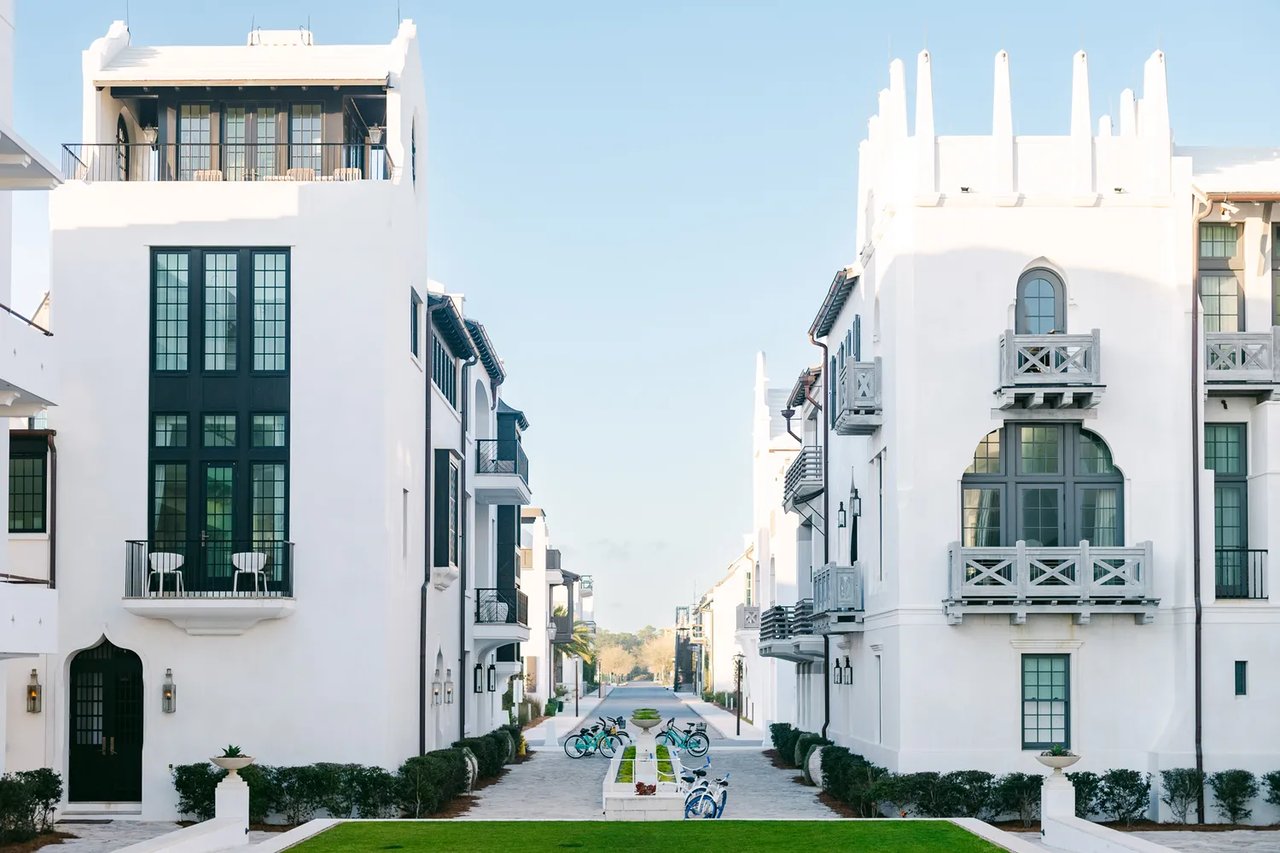
For years, those who know South Walton have understood what makes 30A different. The architecture. The walkability. The white-sand beaches. The design discipline. The way a morning bike ride can take you from a Mediterranean-inspired courtyard in Alys Beach to a European-style town square in Rosemary Beach, all within a few minutes of the Gulf.
Now, that appeal is receiving national recognition.
Travel + Leisure recently named Rosemary Beach and Alys Beach, Florida, among the best places to buy a vacation home in the South, placing two of 30A’s most iconic communities alongside established Southern second-home destinations such as Hilton Head, Charleston, Asheville, Highlands-Cashiers, and Fripp Island. The article specifically highlights the strength of 30A’s lifestyle appeal, the architectural character of Alys Beach and Rosemary Beach, and the growing demand for vacation homes that offer more than a place to stay — they offer a way of life.
For those watching the Emerald Coast closely, this is not surprising.
It is confirmation.
30A has evolved into one of the Southeast’s most compelling second-home and luxury lifestyle markets. It is no longer simply a beach destination for seasonal visitors. It has become a collection of highly curated coastal communities where architecture, wellness, privacy, family connection, and long-term value all intersect.
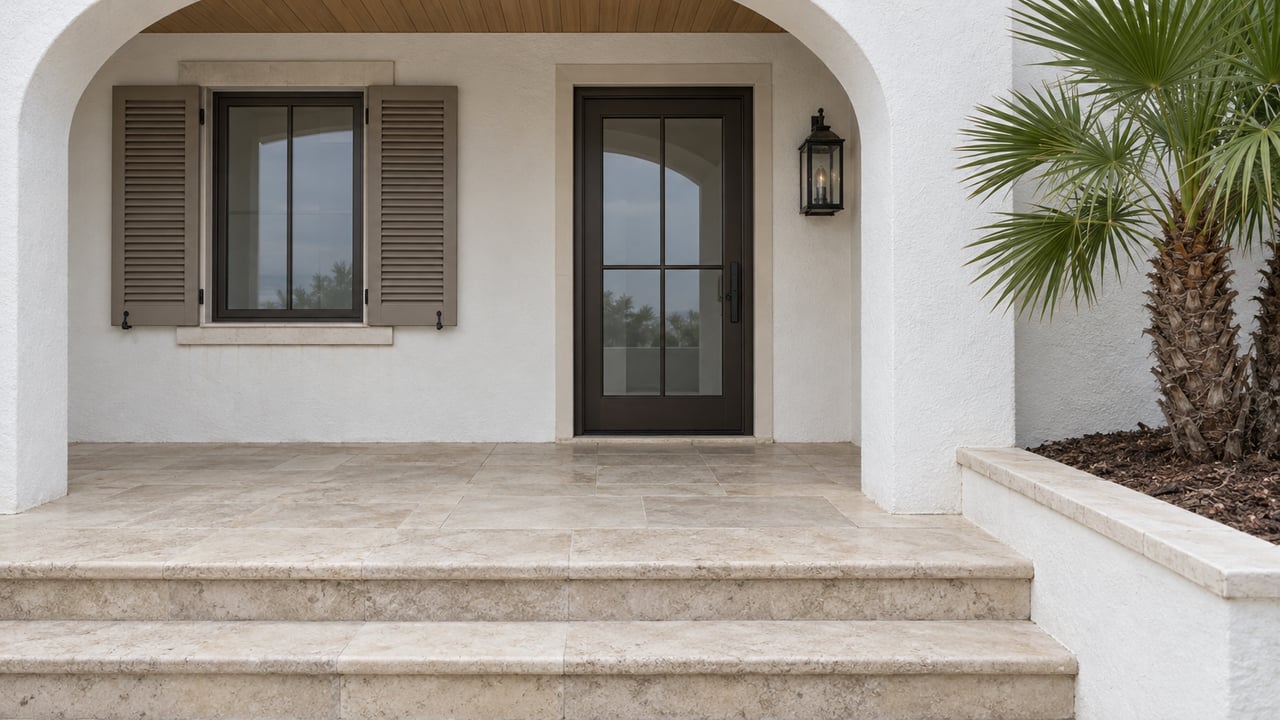
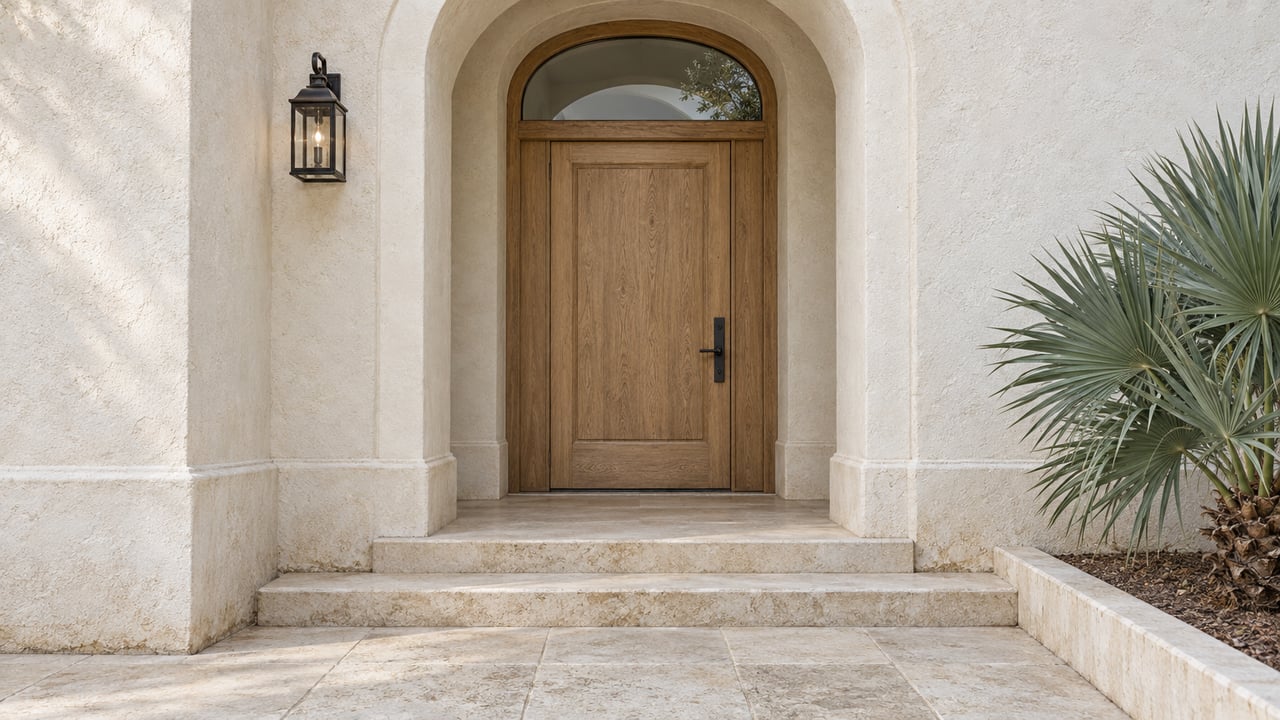
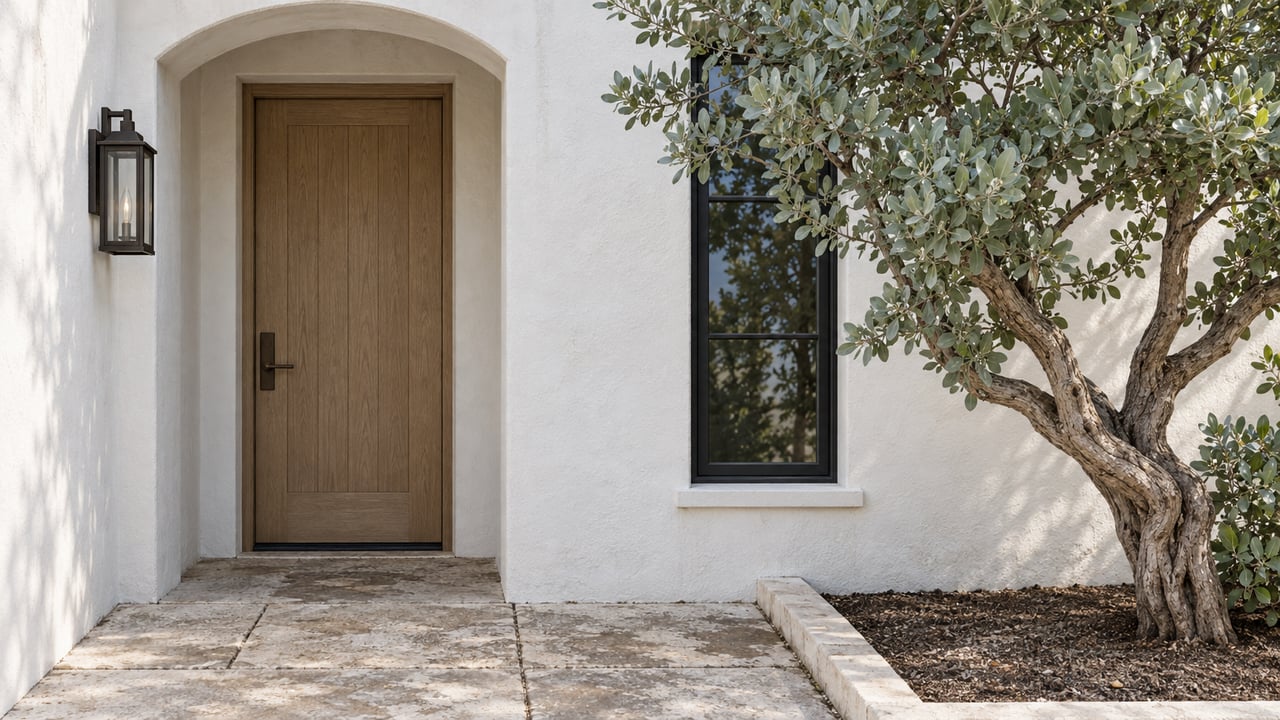
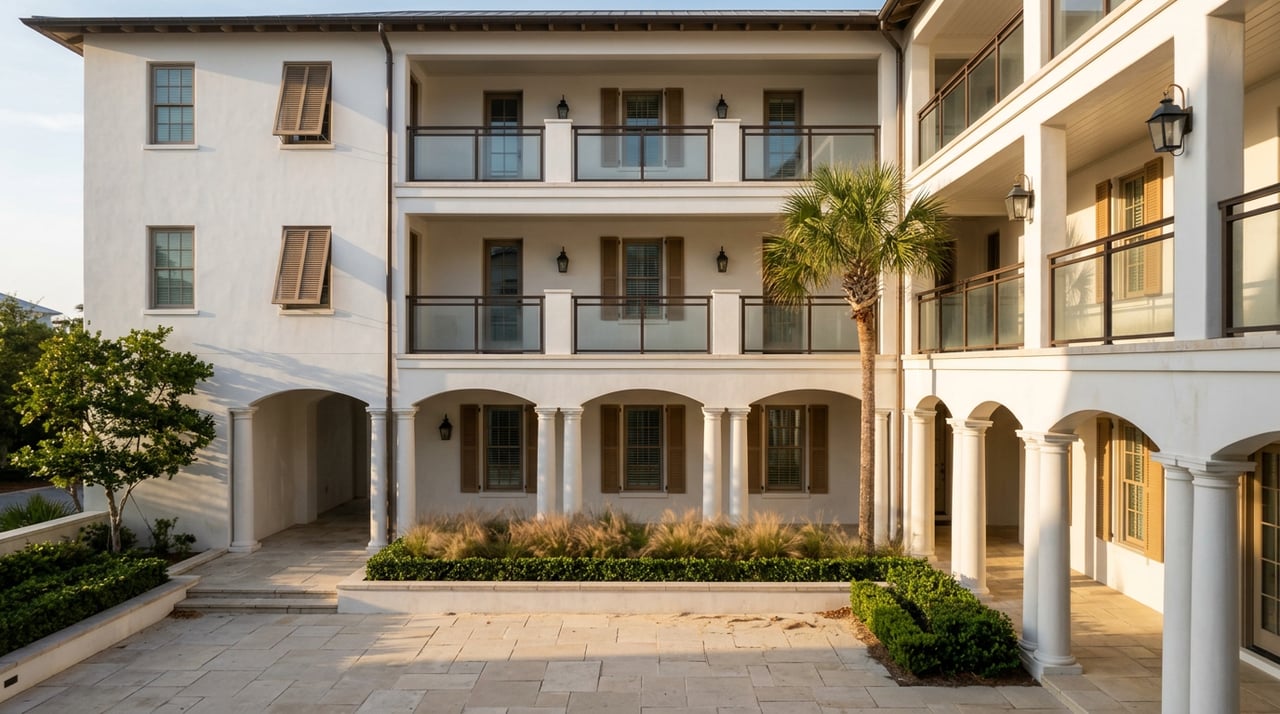
Alys Beach represents the most refined end of that spectrum. Its white masonry architecture, private courtyards, disciplined design language, and amenity-rich environment have made it one of the most recognizable luxury communities in Florida. Travel + Leisure describes Alys as exclusive, wellness-forward, and amenity-rich, while noting Zillow’s average home value for the community sits north of $5 million.
That price point is not simply about square footage. It is about scarcity.
There are only so many places in the country where a buyer can own within a master-planned coastal village that feels architecturally coherent, deeply private, highly walkable, and positioned along one of the most visually distinctive coastlines in America. Alys Beach is not trying to be everything to everyone. That is precisely the point.
Rosemary Beach, meanwhile, offers a different but equally powerful draw. With its Dutch West Indies influence, gas-lit streets, shaded boardwalks, town center, green spaces, and walkable village layout, Rosemary has become one of the most beloved communities on 30A. The Rosemary Beach Property Owners Association describes the town as a walking community where any destination is essentially within a five-minute walk — a detail that matters tremendously in a market increasingly driven by lifestyle simplicity.
That walkability is not a small feature. It is one of the reasons these communities continue to command premium attention.
In a world where buyers are often leaving congestion, noise, and fragmented daily routines behind, communities like Rosemary Beach and Alys Beach offer something rare: a life that feels intentionally designed. Coffee by foot. Dinner by bike. Beach access without a production. Children moving safely between parks, pools, porches, and town centers. Architecture that feels cohesive rather than accidental.
This is where 30A separates itself from more traditional vacation-home markets.
Many coastal destinations offer beach access. Fewer offer a true sense of place. Fewer still combine that sense of place with strong brand identity, limited supply, national awareness, and a lifestyle that appeals equally to families, executives, retirees, investors, and legacy buyers.
And the numbers behind the region continue to support the story.
Walton County’s population has grown sharply since 2020, with the U.S. Census Bureau estimating a 23.9% increase from April 2020 to July 2025. That growth is not isolated from the luxury real estate conversation. Population growth brings infrastructure investment, service expansion, restaurant and retail demand, healthcare growth, school demand, and deeper year-round vitality.
At the same time, access to the region continues to improve. Northwest Florida Beaches International Airport reported a new record in 2025, serving 1,937,224 passengers, up from 1,878,945 in 2024. For second-home buyers, accessibility is one of the quiet drivers of value. The easier it is to get here from Atlanta, Dallas, Nashville, Chicago, Houston, Charlotte, or New York, the more practical ownership becomes.
That matters because the modern vacation-home buyer is not only buying for two weeks in July.
They are buying for long weekends, remote work, holidays, spring breaks, family gatherings, wellness retreats, and future legacy. They want the home to perform emotionally, functionally, and, in many cases, financially.
This is where 30A’s position becomes especially compelling.
The Travel + Leisure article notes the broader Southern vacation-home theme clearly: the best markets tend to combine lifestyle appeal, year-round usability, and long-term value. That framework fits Alys Beach and Rosemary Beach almost perfectly. These are not one-dimensional rental markets. They are not purely speculative plays. They are lifestyle assets in communities with deeply established identities.
For investors, that does not mean every property is automatically a strong rental investment. The details matter. Community restrictions matter. Management matters. Proximity to beach access matters. Bedroom count, parking, outdoor living, finish quality, amenity access, owner usage, and local regulations all shape performance.
But the larger demand picture is undeniable.
Walton County Tourism continues to publish visitor research across seasonal and annual reports, underscoring the region’s dependence on — and strength within — the visitor economy. Even as tourism patterns normalize from the post-pandemic surge, the long-term appeal of South Walton remains anchored by something that is difficult to replicate: natural beauty paired with intentional community design.
That is why national recognition matters.
When a publication like Travel + Leisure places Alys Beach and Rosemary Beach in the same conversation as Charleston, Hilton Head, Asheville, and Highlands-Cashiers, it reinforces what buyers have been signaling for years: the South’s most desirable second-home markets are not just about scenery. They are about identity.
Charleston has history. Highlands has elevation. Hilton Head has resort tradition.
30A has design, beach lifestyle, architectural distinction, and momentum.
And momentum is powerful in real estate.
It attracts better restaurants. Better retail. Better services. Better buyers. Better capital. It creates a feedback loop where demand supports quality, and quality reinforces demand. That is exactly what has happened across South Walton — first in Seaside, then Rosemary Beach, then Alys Beach, and now across the broader 30A corridor into Watersound, Inlet Beach, Seagrove, WaterColor, Grayton Beach, Blue Mountain Beach, and beyond.
Of course, the opportunity is not the same in every neighborhood.
Alys Beach is a scarcity-driven luxury market where design integrity and exclusivity are central to value. Rosemary Beach offers one of the strongest walkable village environments on the Gulf Coast. Watersound and Camp Creek appeal to buyers seeking privacy, scale, golf, club access, and a more expansive coastal lifestyle. Inlet Beach continues to benefit from proximity to Rosemary and Alys while offering its own evolving identity. Seagrove, Seaside, WaterColor, and Grayton each carry their own blend of history, charm, rental demand, and lifestyle appeal.
That is why local expertise matters.
From the outside, 30A can look like one market. From the inside, it is a mosaic. A buyer looking at Alys Beach is often evaluating a very different lifestyle, ownership structure, price point, and long-term strategy than a buyer looking in Seagrove or Inlet Beach. A seller in Rosemary Beach is not simply competing with every other home on 30A — they are competing within a very specific emotional and architectural buyer profile.
That nuance is where value is protected.
The Travel + Leisure recognition is not a reason to rush blindly into the market. It is a reason to pay closer attention.
Because what the article identifies is not a trend built on hype. It is a broader shift in how affluent buyers think about real estate. They are seeking places that offer beauty, wellness, connection, flexibility, and legacy. They want homes that can serve as retreats now and heirlooms later. They want communities that feel alive but not chaotic. Elevated but not sterile. Investable but still deeply personal.
That is the enduring strength of 30A.
It is not just a beach road. It is a lifestyle corridor.
It is where Mediterranean influence meets Southern ease. Where coastal architecture becomes part of the investment thesis. Where a family can spend the morning on the Gulf, the afternoon by the pool, and the evening walking to dinner under gas lanterns and palm shadows.
For buyers, the opportunity is to understand the market before the next wave of national attention pushes even more eyes toward South Walton.
For sellers, the opportunity is to recognize that homes in communities like Alys Beach and Rosemary Beach are not commodities. They are lifestyle assets, and they must be positioned with the same care, sophistication, and emotional intelligence that the communities themselves were built upon.
Travel + Leisure may have just spotlighted Alys Beach and Rosemary Beach.
But the real story is larger.
The Emerald Coast is no longer being discovered quietly. It is being recognized nationally as one of the South’s defining luxury vacation-home markets.
And for those who understand what is happening here, the message is clear:
30A is not chasing the future of Southern coastal real estate.
It is helping define it.