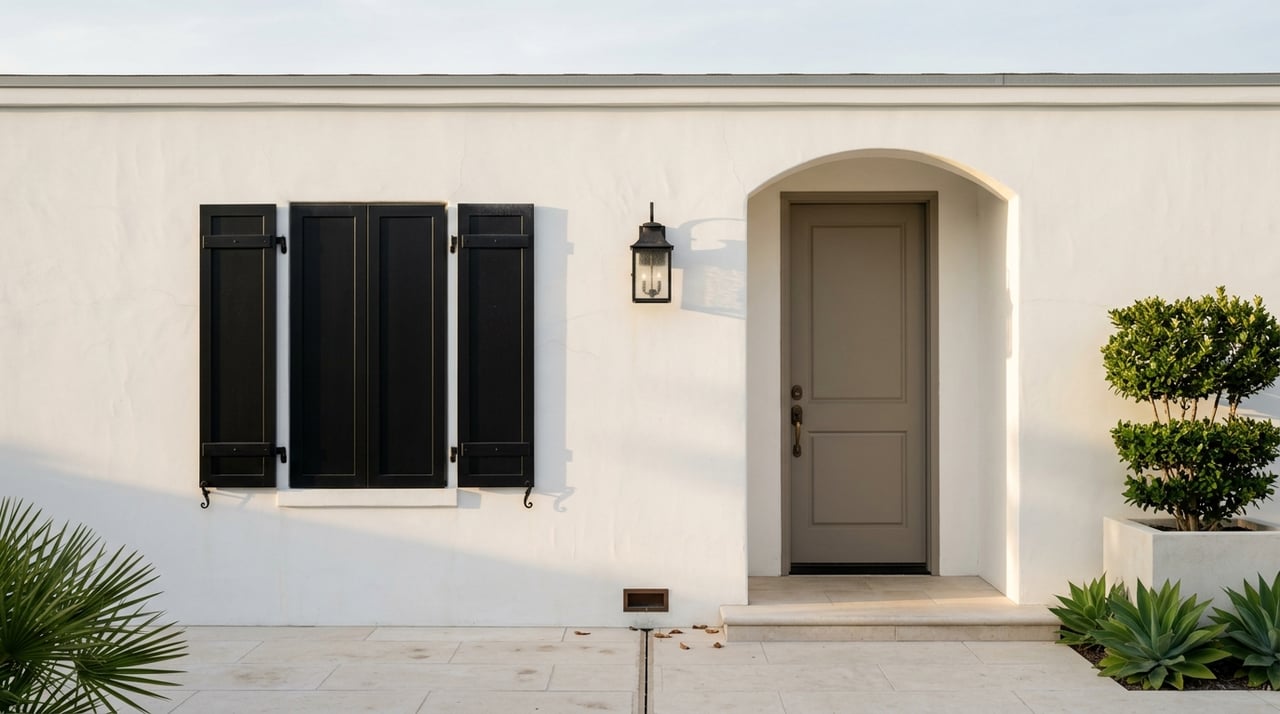
If you have ever looked at Alys Beach and wondered whether real life there feels as polished as the photos, the short answer is yes, but with more structure than many buyers expect. This is not a typical beach neighborhood where every home follows its own path and access feels casual. If you are considering ownership here, it helps to understand the rules, design standards, and daily rhythms before you buy. Let’s dive in.
Alys Beach ownership is different
Alys Beach is best understood as a privately owned, master-planned coastal town, not a conventional beachfront subdivision. The town states that all 158 acres are privately owned, with public access concentrated around the Town Center and the shops and restaurants near the Amphitheatre. Its beach and beach accesses are private amenities.
That distinction matters when you are evaluating whether the lifestyle fits your goals. You are not simply buying near the beach. You are buying into a carefully managed environment where privacy, design consistency, and amenity structure are part of the ownership experience.
What buyers actually own
According to Alys Beach amenity policy, an owner is the record owner, plus spouse, of fee-simple title to a parcel. In plain terms, that means you are buying real property, not a club membership or a usage right. That is an important difference for buyers comparing Alys Beach with resort-style communities.
The town offers several ownership paths, including listed residences, custom homes, and the Somerset Custom Home Program. That gives buyers flexibility in how they enter the community, but each path still operates within the same larger planning and design framework.
Why the master plan matters
Alys Beach follows a New Urbanism master plan by DPZ CoDesign. The layout organizes residential, commercial, mixed-use, and common spaces in phases, with amenities, parks, paths, and roads planned in advance.
For you as an owner, that means the town was built to feel connected and intentional. Homes, shops, amenities, and the beach are linked by short walks and bike rides, which creates ease and cohesion. The tradeoff is that the community experience is more curated and less flexible than in a looser coastal neighborhood.
Architecture comes with real rules
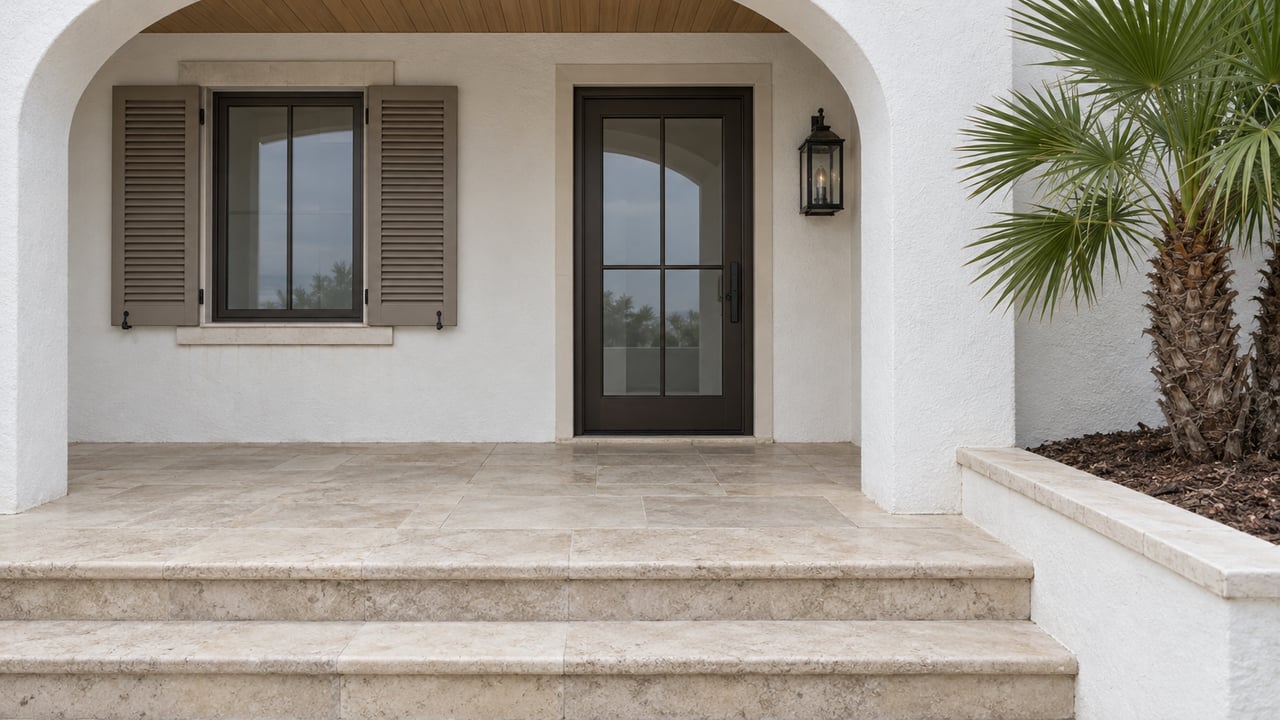
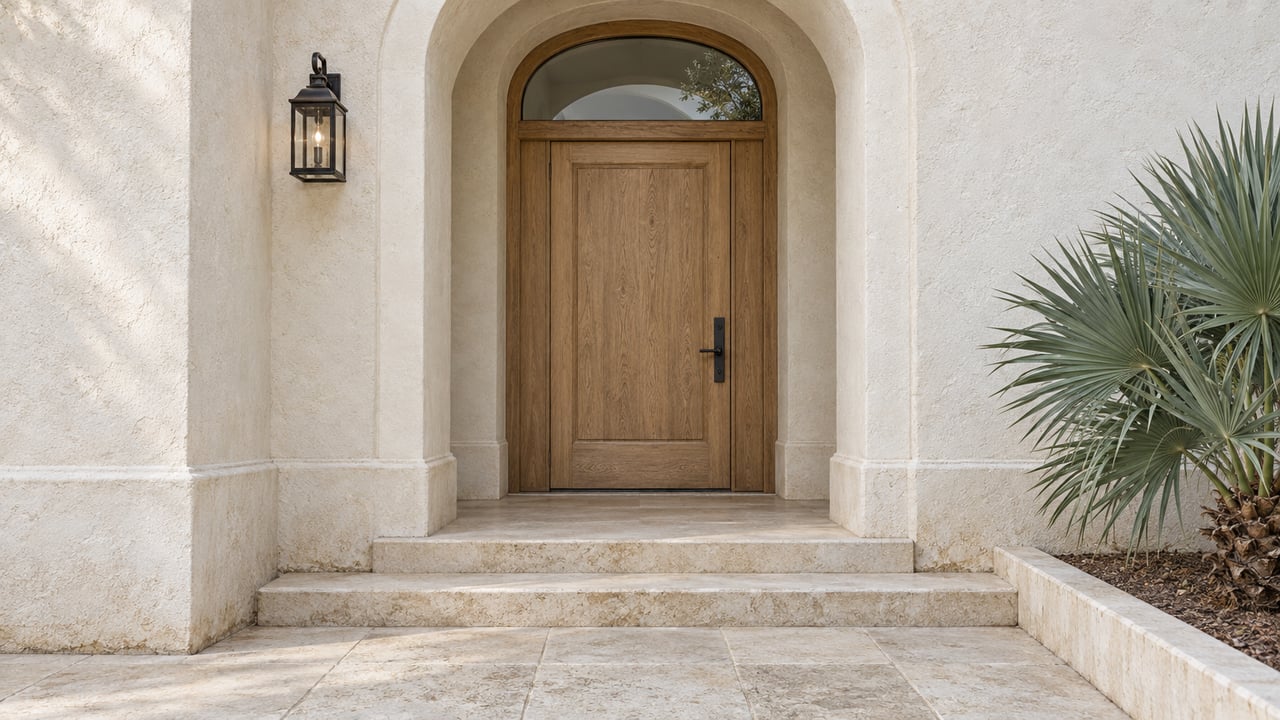
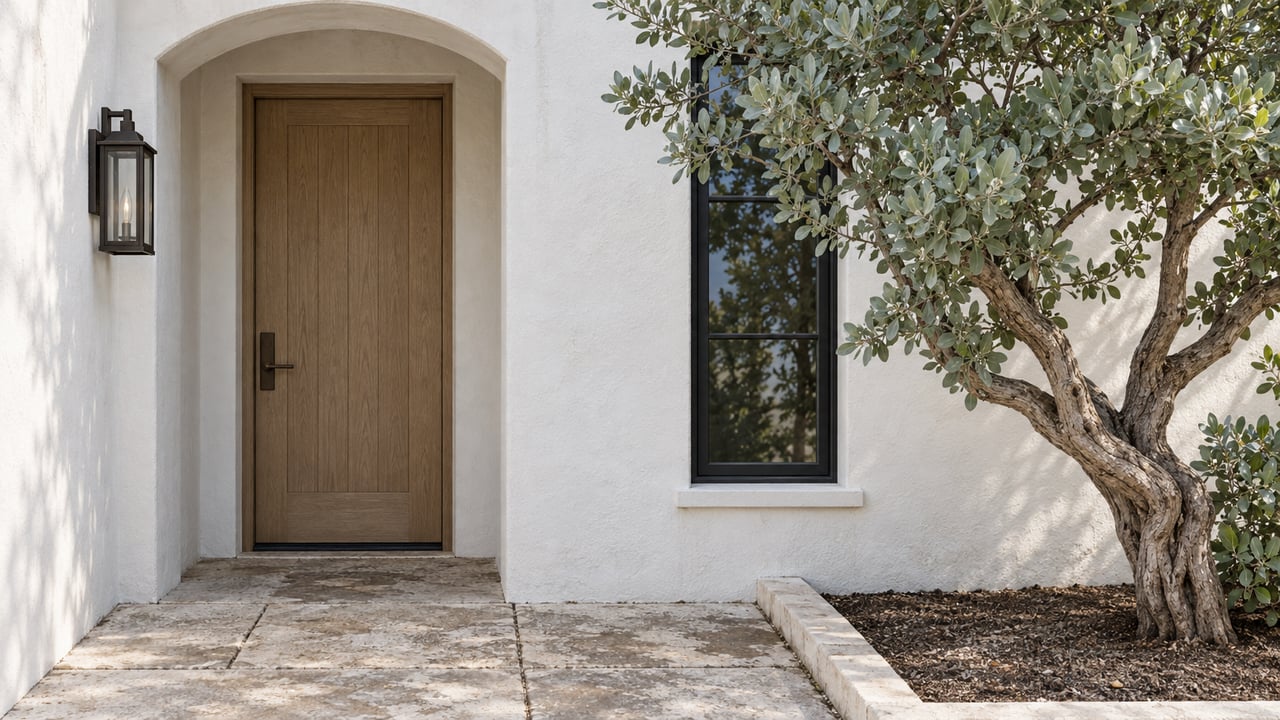
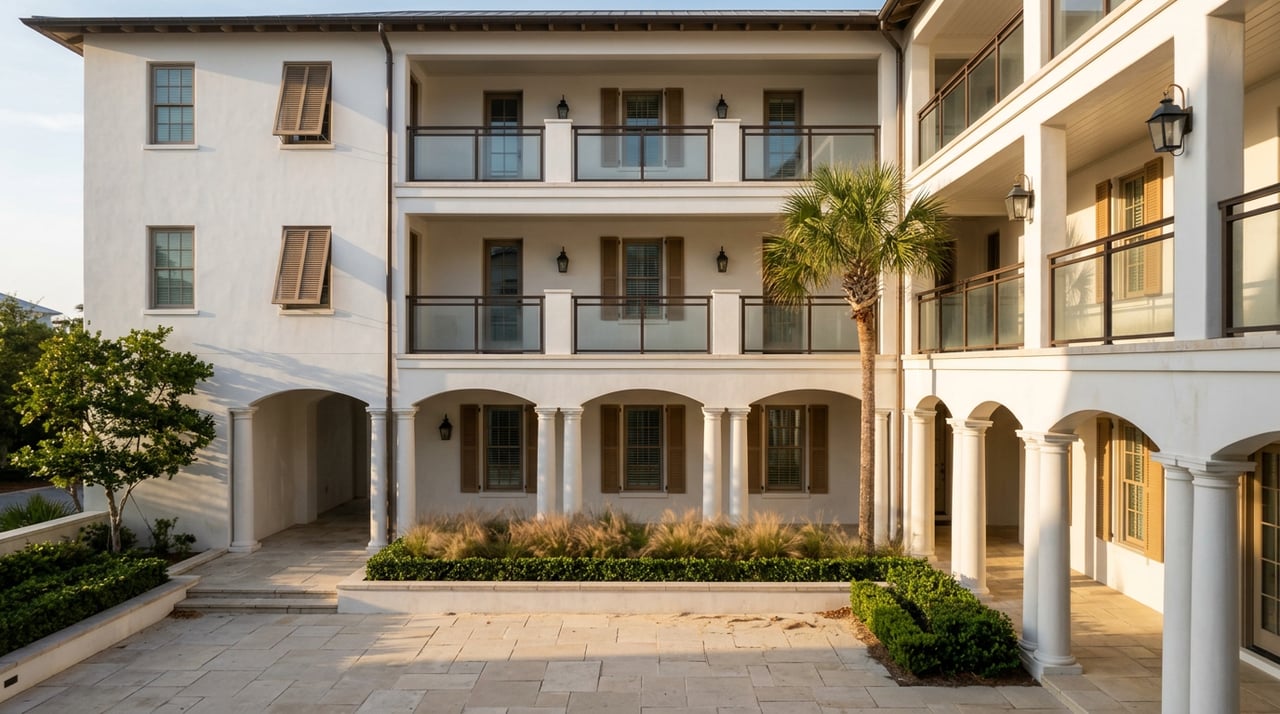
One of the biggest reasons buyers are drawn to Alys Beach is its visual identity. The architecture is striking, disciplined, and unlike most other Florida beach communities. That beauty, however, is not accidental.
Alys Beach says its town architects, Marieanne Khoury-Vogt and Erik Vogt, guide the design code, which also covers landscape, sustainability, construction guidelines, and Fortified certification criteria. Every home is part of a larger architectural vision, not just an individual property.
Design is meant to serve the town
A 2022 feature cited by Alys Beach explained that every homeowner is asked to contribute an architectural gift. The design process is intended to enhance the public realm rather than maximize personal expression.
That gives the town its distinctive sense of order and harmony. If you love consistency, thoughtful streetscapes, and a highly refined built environment, this can be a major advantage. If you want broad exterior freedom or a more casual build process, it is worth knowing that Alys Beach is intentionally more controlled.
Construction standards are higher than typical
Alys Beach states that every home must meet the Fortified for Safer Living standard. IBHS defines FORTIFIED as a voluntary construction and re-roofing program designed to strengthen homes against severe weather.
The town also says homes feature solid masonry roofs and walls, and builders must come from a limited approved-builder list with reinforced masonry expertise. For buyers, that points to a strong emphasis on resilience and long-term durability. It also means more oversight, more coordination, and fewer shortcuts during the design and construction process.
The look is intentional and privacy-focused
The architectural language draws from Bermudian, Moorish, and Guatemalan influences. Features like private courtyards, loggias, and enclosed outdoor spaces are part of the design vocabulary.
Compared with many beach communities in Florida, the feel is more inward-looking and private. That is part of the appeal for many owners. The homes and streetscapes are designed to feel calm, protected, and architecturally unified.
Privacy shapes daily life
Alys Beach is often associated with beautiful streets, white masonry homes, and a polished coastal atmosphere. What many buyers do not realize right away is how much of that experience is supported by privacy rules and access controls.
The town states that no photography of any kind may take place in front of privately owned homes, especially near doorways, entrances, staircases, and courtyards. Drone and commercial photography are also prohibited without prior approval. These policies help protect the privacy of owners and guests.
Beach access is private
Alys Beach states that the beach and beach accesses are private amenities for homeowners and vacation rental guests. They are not open to the public.
For many buyers, this is one of the strongest ownership benefits. Private beach access can make the day-to-day experience feel more orderly and less crowded than in areas with broader public use. It also reinforces that Alys Beach functions more like a privately managed town than a typical beach neighborhood.
Amenities are structured, not open-ended
The Beach Club is homeowner-exclusive. Caliza, ZUMA, and other amenities are available to owners and, under specific policies, vacation rental guests.
The amenity-use matrix requires access cards and includes age rules, accompaniment requirements, and guest-count limits. That may feel more managed than what you would find in some resort communities, but it also supports a quieter and more controlled environment.
Outdoor life goes beyond the beach
Alys Beach also includes a 20-acre nature preserve with an 1,800-foot boardwalk trail and nine town parks. Combined with the town’s walkable and bike-friendly layout, that creates a broader outdoor lifestyle than many buyers expect.
In other words, ownership here is not just about Gulf access. It is also about enjoying a complete setting with trails, parks, gathering spaces, and daily convenience built into the plan.
Expect rules around guests, parking, and events
The managed nature of Alys Beach extends beyond architecture and amenities. It also shapes practical parts of ownership like guest use, parking, and private events.
The town states that some parking lots and courts are reserved for owners or vacation rental guests, and violations are monitored and ticketed. That helps preserve access and order, but it is another reminder that this is a rule-driven environment.
Weddings are also restricted to homeowners and immediate family. For buyers who picture using a beach property in a wide-open way for gatherings or events, this is an important detail to understand early.
Pricing places Alys Beach in the luxury tier
Alys Beach is firmly in the luxury segment. Current official listings on the town’s site show examples ranging from about $3.19 million to $11.50 million, including condominiums and single-family homes.
That price range tells you two things right away. First, entry into the community comes at a premium. Second, buyers and future resale audiences are narrower than in many other 30A communities.
Limited supply adds to scarcity
Because the town is highly controlled and the inventory pool is limited, ownership tends to feel more scarce than in a broader neighborhood with mixed housing stock and fewer restrictions. Buyers who value design coherence, private beach access, and a more protected environment may see that scarcity as part of the appeal.
For investment-minded buyers, it also means you should look beyond headline pricing. The real value story is tied to the town’s design discipline, amenity structure, and long-term identity.
Upkeep and compliance are part of ownership
Alys Beach ownership comes with ongoing association payments, strict rules, and approved-vendor requirements. The owner booklet states that owners must comply with laws, ordinances, building codes, and the Alys Beach Design Code at their own expense.
The same booklet also notes that vendors working outside private residences must be on the approved list or meet the town’s requirements. The association can fine or suspend access for violations. For you as an owner, that means maintenance and project planning may require more coordination than in a less structured community.
This can be a benefit for the right buyer
While more oversight is not for everyone, it can be a plus if you want predictability and a high standard of upkeep throughout the town. In a luxury coastal setting, many buyers see that consistency as worth the extra structure.
The key is going in with clear expectations. Alys Beach rewards buyers who appreciate process, design discipline, and a managed ownership experience.
Vacation rentals exist, but this is not a high-turnover feel
If you are considering a second home with some rental potential, Alys Beach does allow an in-house vacation rental program. At the same time, the town said in a 2022 feature that typically less than 20% of homes are available as vacation rentals at any one time.
That is an important nuance. Alys Beach is not positioned like a high-turnover vacation rental community where investor activity drives the atmosphere. The environment appears more owner-centered, with rental availability playing a smaller role in the overall feel of the town.
What that means for lifestyle buyers
If your priority is personal use, privacy, and a quieter setting, this structure may be attractive. If your main goal is maximum rental flexibility or a more casual short-term-rental model, the fit may be less natural.
This is where local guidance matters. You want to weigh the ownership experience, use patterns, and long-term market position together rather than focusing on rental potential alone.
Who Alys Beach ownership fits best
Alys Beach tends to make the most sense for buyers who want a design-led, private, and highly curated coastal experience. It can be especially compelling if you value walkability, architecture, resilience standards, and controlled amenity access.
It may be less appealing if you prefer broad customization, lighter oversight, or a more relaxed beach-town rhythm. The lifestyle is refined and intentional, but it is not casual in the way some postcard impressions might suggest.
For the right buyer, that is exactly the point. Alys Beach offers a rare blend of architectural discipline, private beach access, and a polished ownership environment that feels distinct even within 30A.
If you are weighing whether Alys Beach aligns with your goals, lifestyle, and long-term plans, The Gettings Group can help you compare options across 30A with a clear, local perspective.
FAQs
What does owning property in Alys Beach actually mean?
- Owning in Alys Beach means you hold fee-simple title to real property, and ownership operates within a privately owned, master-planned town with structured amenities and design controls.
What should buyers know about Alys Beach beach access?
- Alys Beach states that its beach and beach accesses are private amenities for homeowners and vacation rental guests, not public access points.
What are the architecture rules for Alys Beach homes?
- Alys Beach says homes must follow its design code, use approved builders with reinforced masonry expertise, and meet the Fortified for Safer Living standard.
What is the price range for Alys Beach real estate?
- Current official listings cited in the research report show examples from about $3.19 million to $11.50 million, placing Alys Beach firmly in the luxury market.
Does Alys Beach allow vacation rentals for homeowners?
- Yes, Alys Beach allows an in-house vacation rental program, but the town has stated that typically less than 20% of homes are available as vacation rentals at any one time.
What daily lifestyle differences should buyers expect in Alys Beach?
- Buyers should expect a more managed ownership experience, including privacy rules, access-card amenity controls, parking restrictions, and a walkable layout centered on parks, trails, and private amenities.